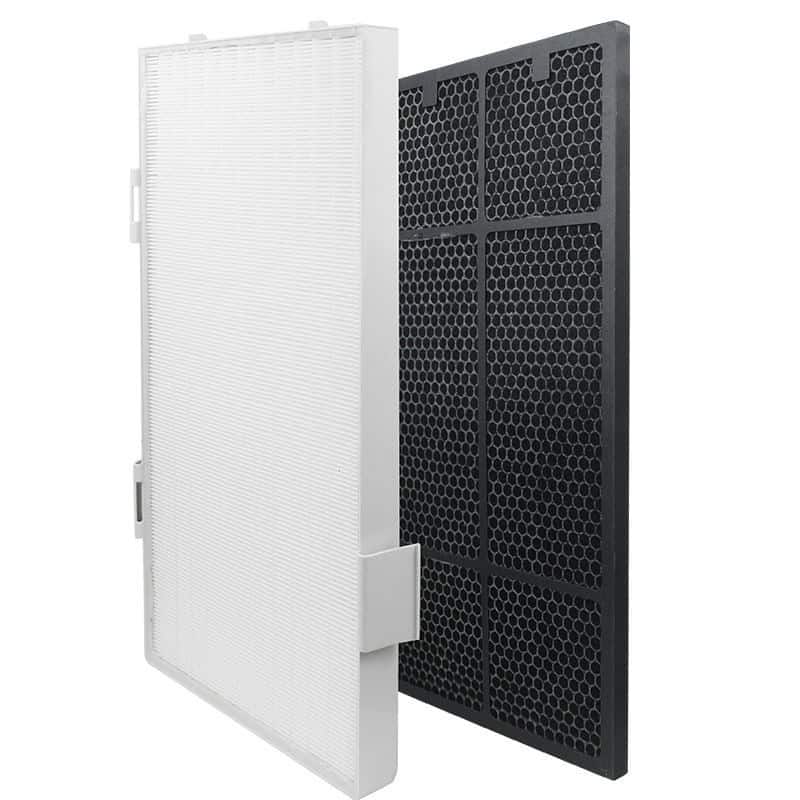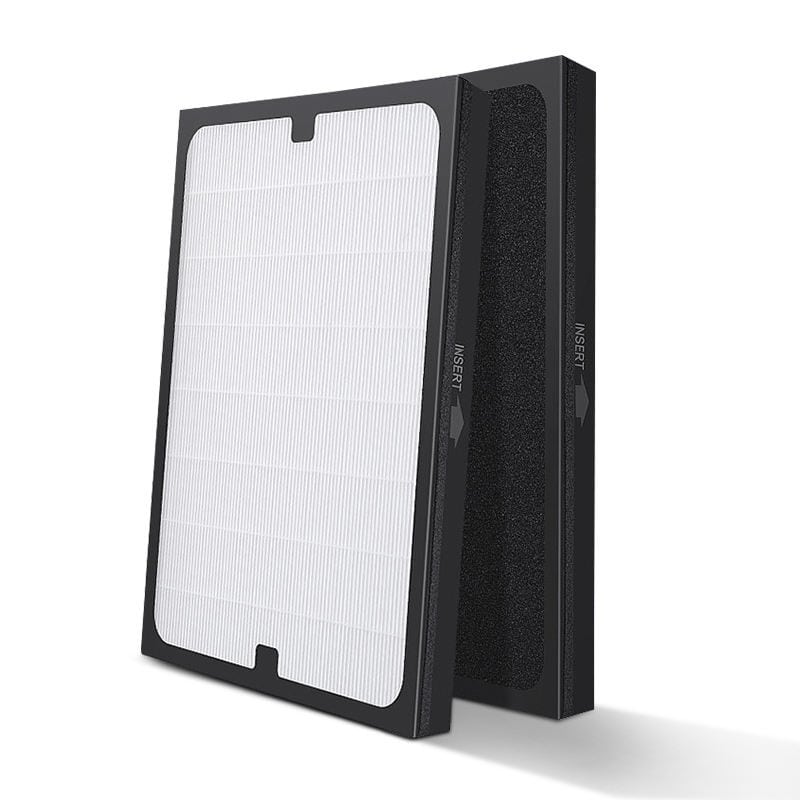
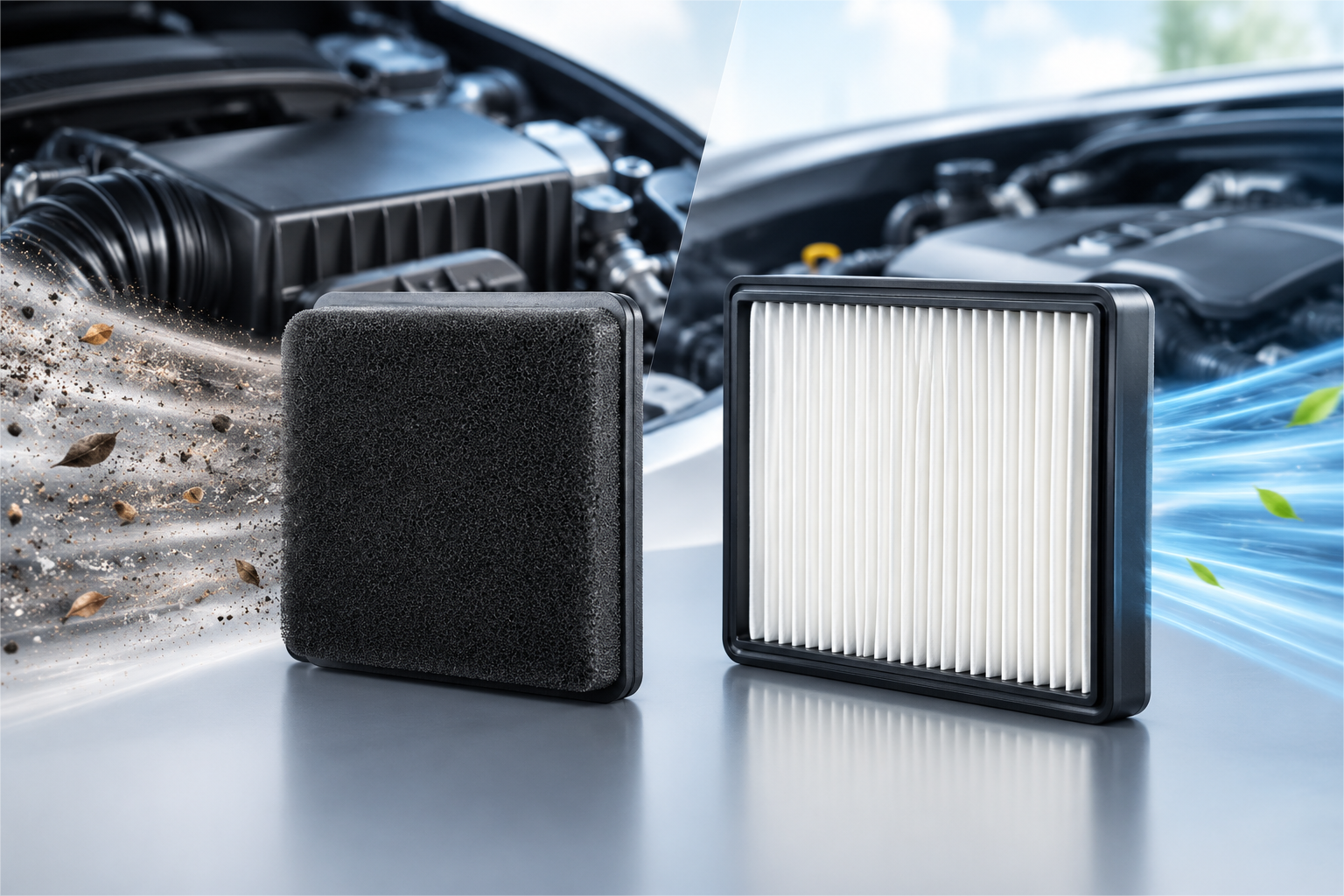
If you’re torn between a foam and pleated car air filter, here is the short answer. Most street driving conditions benefit from better overall filtration efficiency, from pleated cellulose or synthetic media. In very dirty off-road conditions, foam filters provide more airflow and better dust holding capacity. It’s not brand marketing. The difference is in the structure of the air filter material. This pattern is proven in standardized ISO 5011 tests. Well-designed pleated filters typically trap 98 to 99 percent of particles larger than 10 microns. Oiled foam filters trap 90 to 96 per cent of those same particles. But foam lets 15 to 25 percent more air through at the same restriction.
What Independent Testing Tells Us About Foam and Pleated Air Filter Media
Most comparison articles don’t bother with the actual test numbers and go straight to opinion. What do the standardized tests tell us?
The ISO 5011 test is the international standard for air cleaners for internal combustion engines. It measures three factors that count when protecting engines: initial efficiency, ability to hold dust and restriction of air flow. In a standard test with fine ISO A2 test dust, a pleated cellulose-synthetic blend filter has an initial efficiency of about 99.2 percent at 5 microns. It can carry from 180 to 220 grams of dust, then it reaches its last limit . Initial efficiency at 5 microns is about 92 to 95 percent for a same size oil impregnated polyurethane foam filter. But it takes 300 to 400 grams before you hit the same restriction limit.
The Core Trade-off
That is the basic trade off. The foam lets more of the small particles through at first. But it flows longer as it loads with dust. Pleated media captures more from day one . But it clogs quicker in heavy dust conditions. A daily driver on paved roads doesn’t drive a pleated filter to its dust-holding limit in a normal service interval. So its winning point is its better efficiency.
How Does Foam Filter Material Really Work?
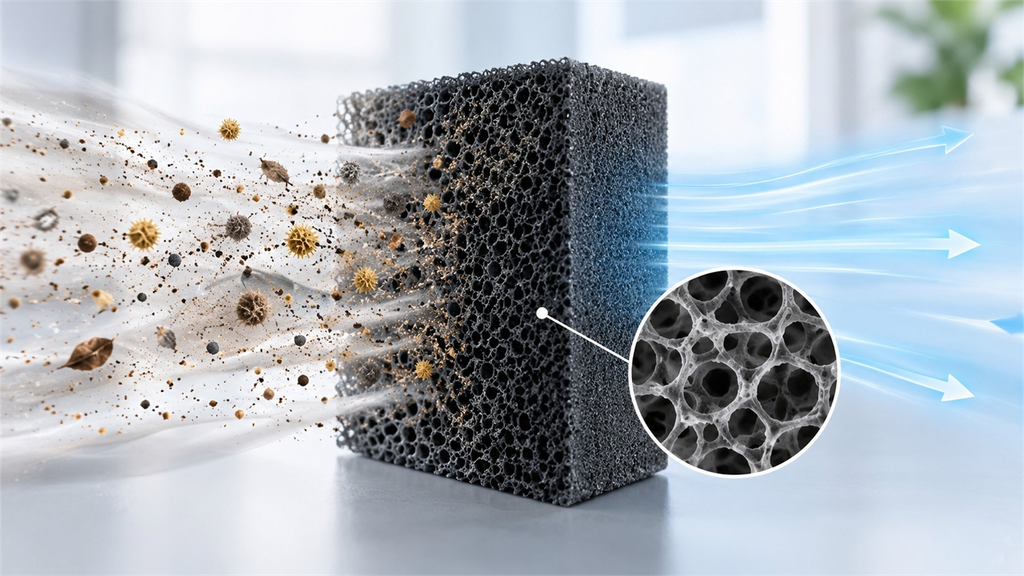
Most foam air filters are made of open-cell polyurethane foam that is treated with a special filter oil. Oil is not a choice. It is what makes the foam tick.
Dry foam by itself is a poor filtration medium. Open cell structure allows small atoms to pass right through The oil film forms a sticky surface that captures particles through a process known as impingement. The air diverts around the foam strands and heavier particles keep going straight and impact the oiled surface. And that’s the reason foam filters work so well in off-road racing and dusty conditions. The oiled surface will absorb large quantities of dirt without much increase in restriction.
The downside is that it needs maintenance. Oiled foam filters require regular cleaning, re-oiling and careful handling. Too much oil can clog mass airflow sensors. If there is not enough oil, the efficiency is unacceptable. For fleet managers and private label buyers, this maintenance burden comes with a real cost. But it’s seldom listed on the product spec sheet.
The Media’s Pleated Edge
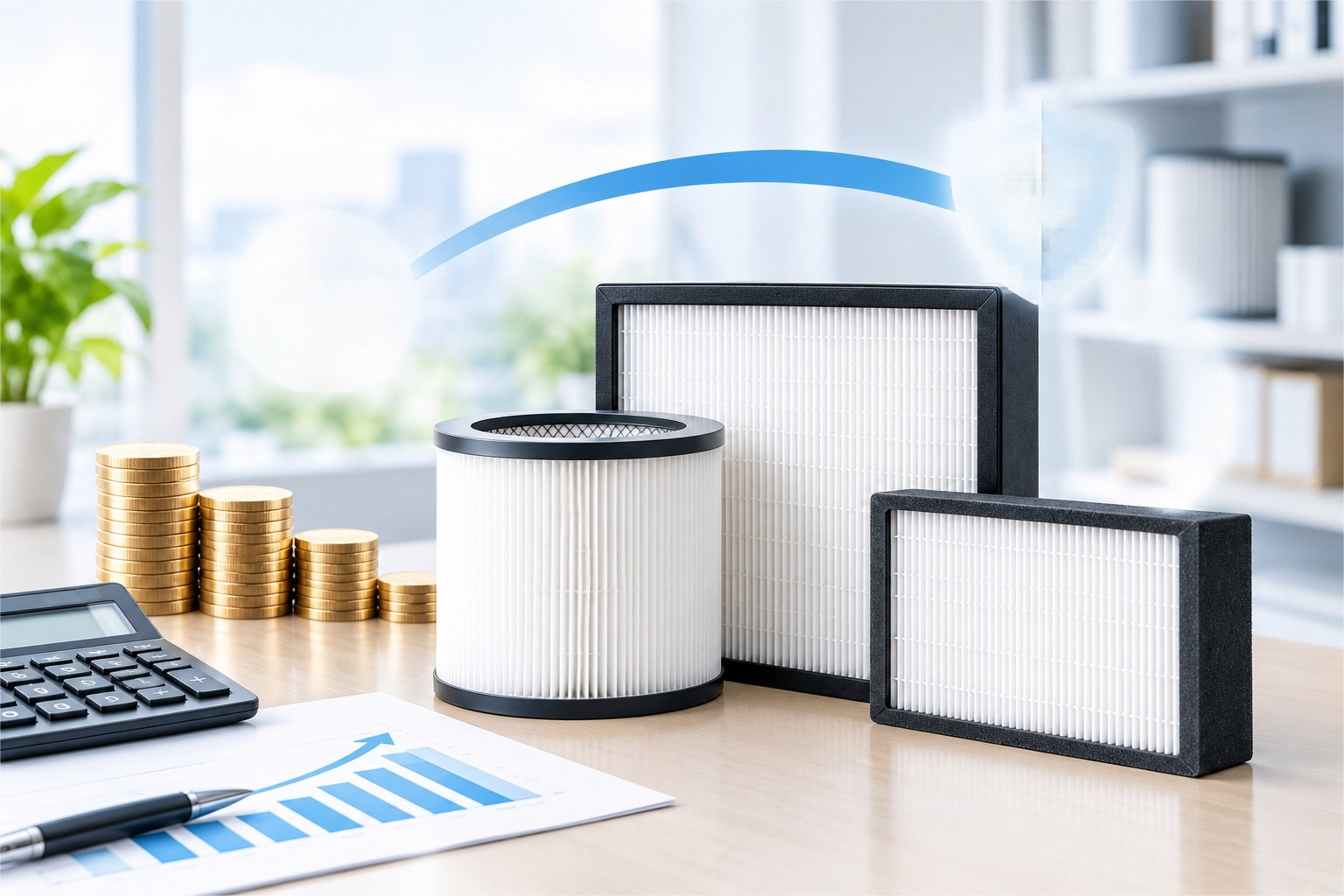
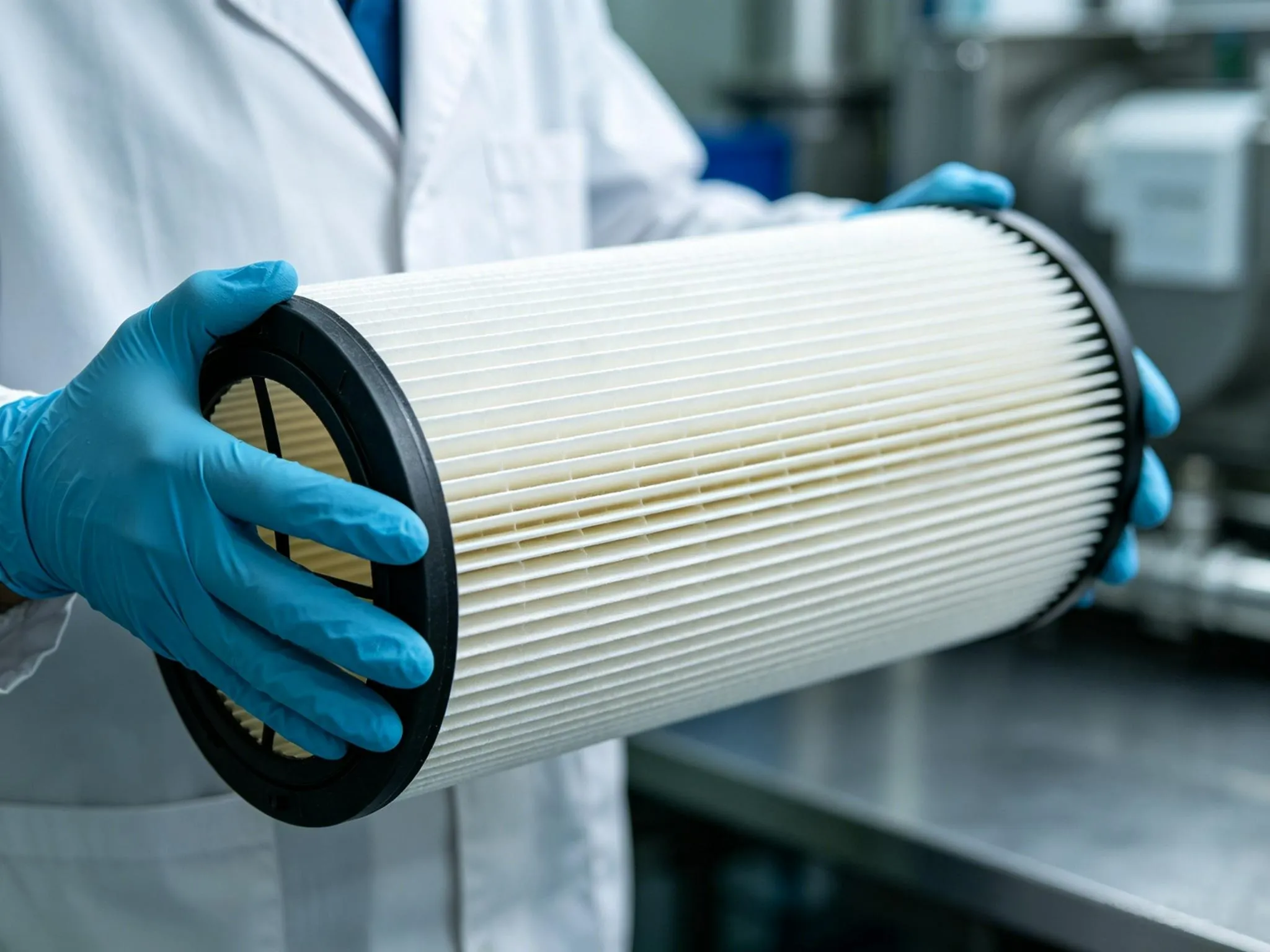
Pleated filters consist of a folded sheet of cellulose, synthetic fiber or a combination of the two. The pleating gives a dramatic increase in surface area for a given physical footprint. More surface area = less restriction at a given efficiency rating. It also means a longer service life
Modern synthetic blend media utilize electrostatically charged fibers. The fibers are able to attract small particles without oil. This method is used by HIFINE for custom filtration making programs. This design features pleated synthetic filters which are more efficient than foam in the sub-5 micron range. Studies of SAE engine wear have identified this range as the primary cause of engine wear.
When to Use Foam Filters in Your Application
Foam filters are not obsolete, even with the efficiency gap. They are good at some things.
If your vehicles are working in construction sites, agricultural environments, desert areas or any other areas where dust is visible then the increased dust holding capacity of foam is an advantage. Then you can service a foam filter less frequently in these conditions. And if cleaning is necessary, it can be easily managed by trained maintenance teams.
Foam also gives a little horsepower advantage on modified or race engines. The advantage is the lower initial restriction. Engines tuned for more air than the stock intake can supply can use foam to get more flow without a larger filter housing.
The Service Life and Cost Reality That is Missed
Foam filters are usually a lower first cost than high end pleated filters. But the total cost of ownership is another story.
Drivers usually change a pleated filter every 15,000 to 30,000 miles, depending on conditions. Rather you can wash and reuse a foam filter. This sounds cheaper until you factor in the cost of cleaning solvent, filter oil, labor time, and the risk of poor maintenance. There is a clear pattern in the industry fleet maintenance data. Poorly maintained foam filters run an average of 15 to 20 percent below rated specification. Properly installed pleated filters operate within 2 percent of rated efficiency for their service life.
OEM and private label programs require consistency. No matter who installs the pleated filter, it will perform the same on day one as it does on day 10,000. The performance of a foam filter is highly dependent on the end user’s proper adherence to the maintenance procedure.
Selecting the Right Air Filter Media
It all boils down to three practical questions.
We put your driving conditions first. On paved roads and normal highways, the more efficient pleated filter wins. The dust load is kept low enough that the filter never approaches its capacity limit. Foam leads in heavy dust, construction zones, or off-road environments. The oiled open-cell structure keeps flowing long after a pleated filter would start restricting airflow.
Filter servicing habits count too. Foam is best when done by trained technicians who clean and re-oil. They know how much oil to put in and can check the filter is dry before putting it back. Pleated media is the safer choice for DIY owners or general maintenance crews who may be in a hurry to get the job done. No oil and no special process of cleaning is necessary. It works the same on the day of installation as it does on the day of replacement.
The third boundary is the engine design. Pleated media provides a steady high efficiency that is best suited for modern fuel injected engines with stringent emissions controls. Even small amounts of unfiltered dust can affect sensor calibration and the quality of combustion. Older carbureted engines and purpose built race engines do often favor air flow over peak efficiency. You can measure horsepower gains in those builds because a foam filter is less restrictive.
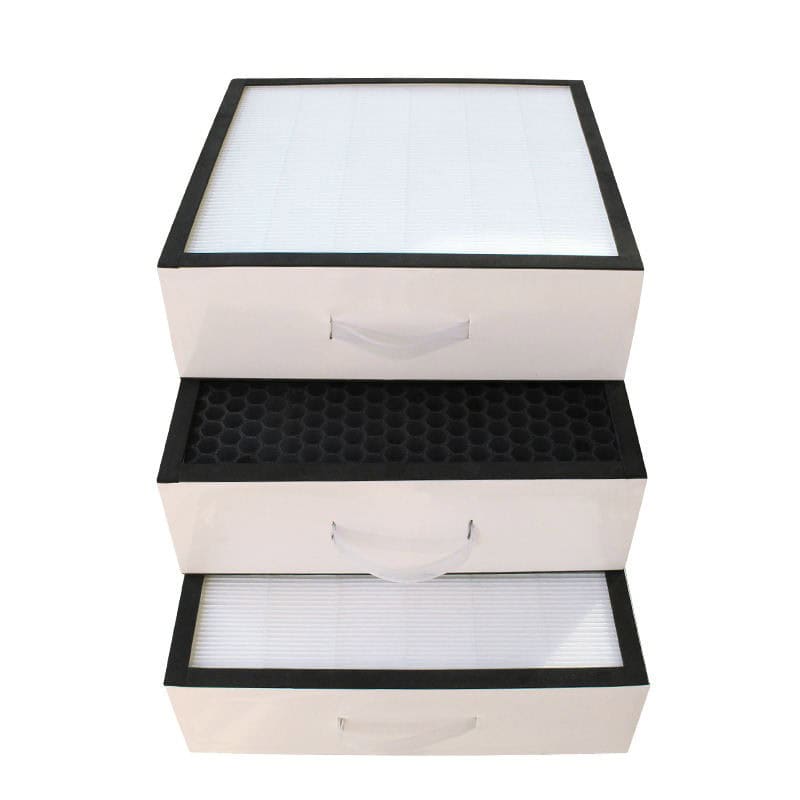
Most automotive applications use pleated synthetic blend media selected by engineers for the consumer aftermarket and OEM replacement market. It strikes a balance between efficiency, airflow, service life and ease of maintenance. Foam is still a niche solution for high dust, high performance applications.
Understanding the different types of filter media and how they actually perform allows buyers to make data-driven decisions instead of marketing-driven decisions. The same basic principles of media structure, efficiency and pressure drop apply to buyers evaluating MERV rated filtration options for automotive and commercial HVAC applications.