
You turn your air purifier to high and wait for the room to feel fresh. Instead, you notice a faint dusty smell, and the fan sounds louder than usual while the airflow feels weak.
This is usually the moment people open a new tab and start shopping for a replacement machine. Before you do that, it’s worth checking one thing first.
In most cases, the appliance itself is fine. The real problem is a saturated filter that has reached the end of its life. Here’s how to tell whether a fresh filter will fix the issue, or whether it really is time to retire the machine.
The Filter Does the Actual Work
An air purifier is a simple appliance built around two parts, a motor with a fan, and a filter. That’s really it.
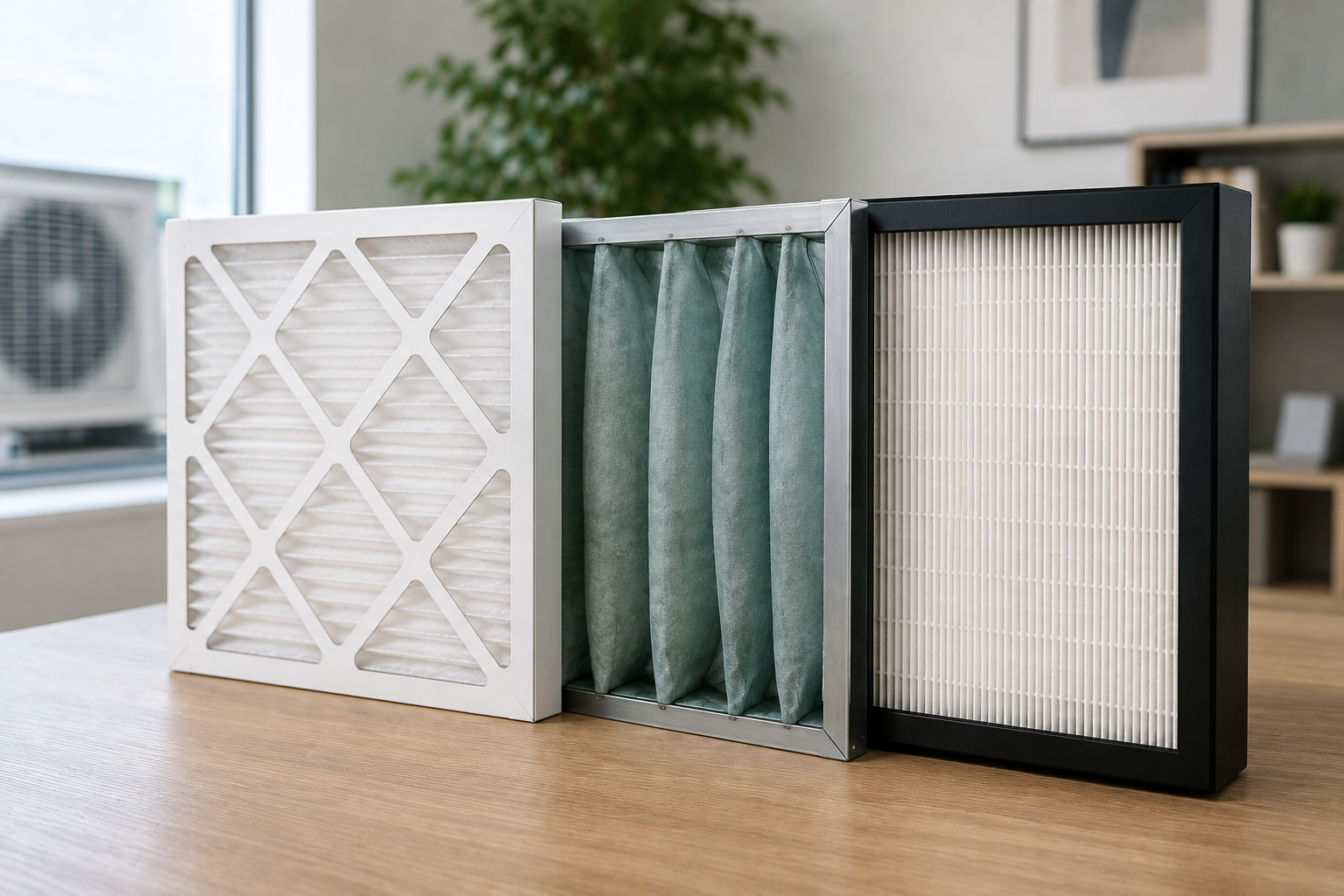
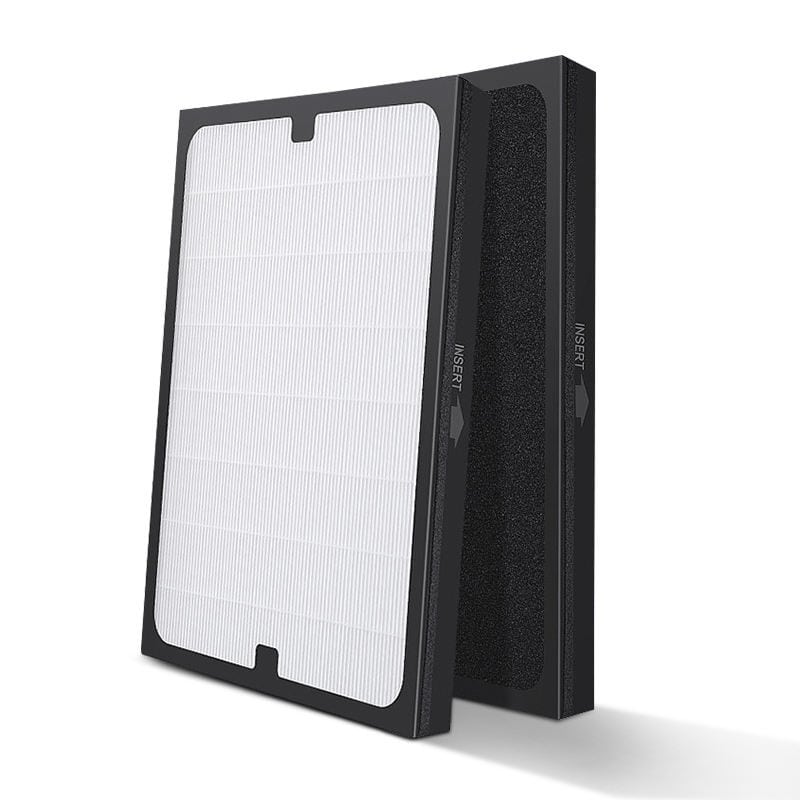
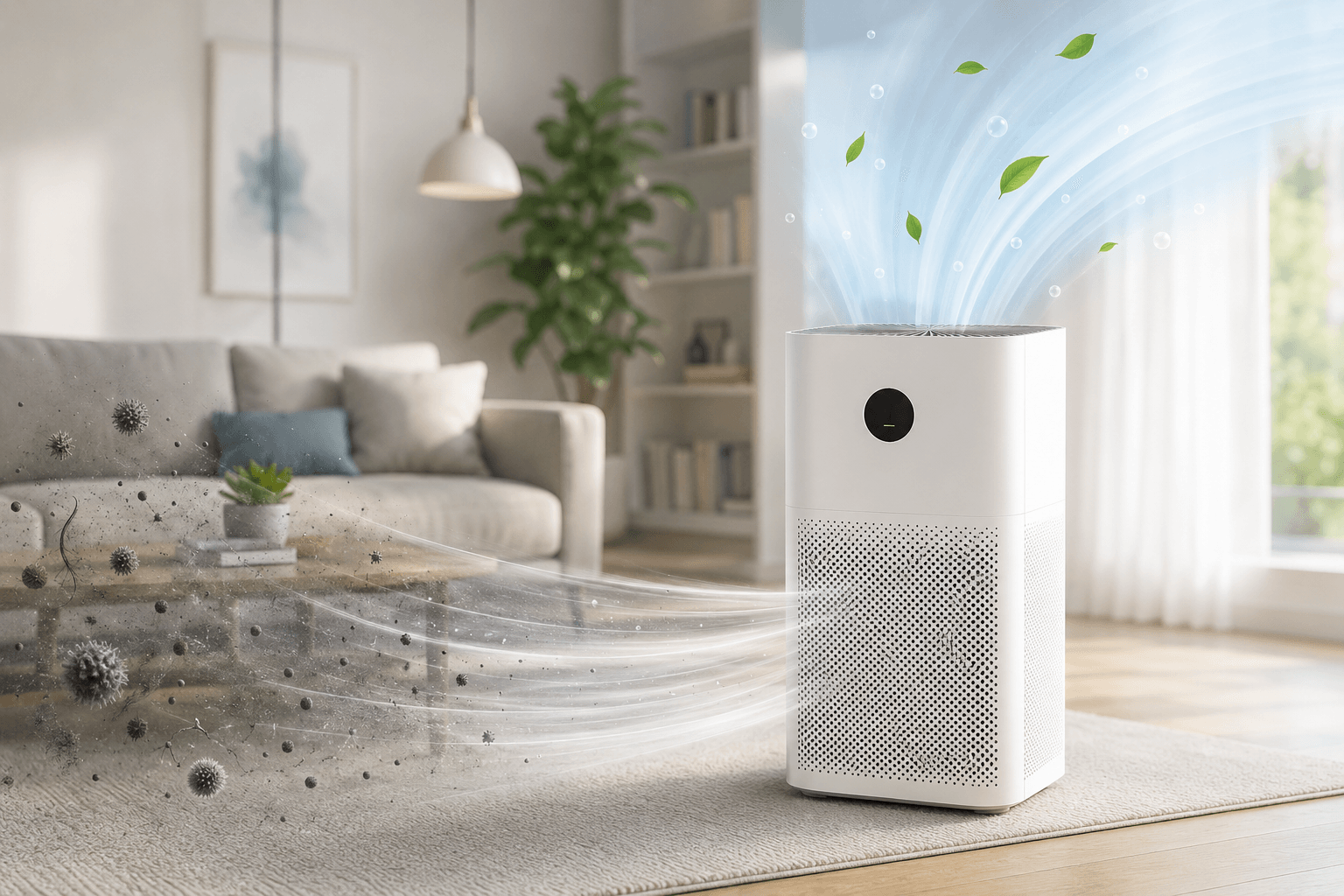
The housing and the motor don’t clean anything on their own. Their only job is to move air. The fan pulls air out of the room, pushes it through the HEPA media, and sends the clean air back out. The filter is the part actually catching dust, pollen, smoke, and pet hair.
Think of it the way you’d think about a vacuum cleaner. If a vacuum stops picking up dirt, you check the bag before you assume the whole machine is broken. The same logic applies here. If the motor still runs, the machine is probably fine. What usually needs attention is the part doing the actual filtering.
3 Signs You Just Need an Air Purifier Filter Replacement
If you’re seeing any of these three signs, hold off on buying a new unit. An air purifier filter replacement will likely solve it.
The Fan Is Loud, but Airflow Feels Weak
As a HEPA filter works, it fills up with the particles it traps. Over months of use, that buildup creates a wall of dust packed into the fibers. The motor has to work harder to push air through it, which is why the fan gets louder while the airflow at the vent gets weaker. A new filter usually fixes both problems at once, restoring airflow and quieting the motor down.
The Air Smells Musty or Sour
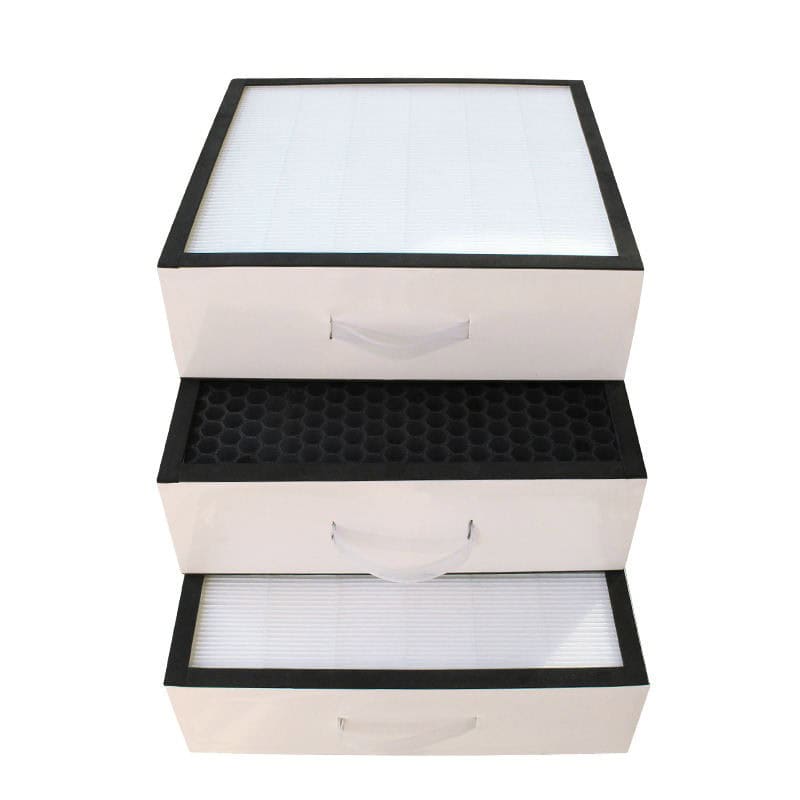
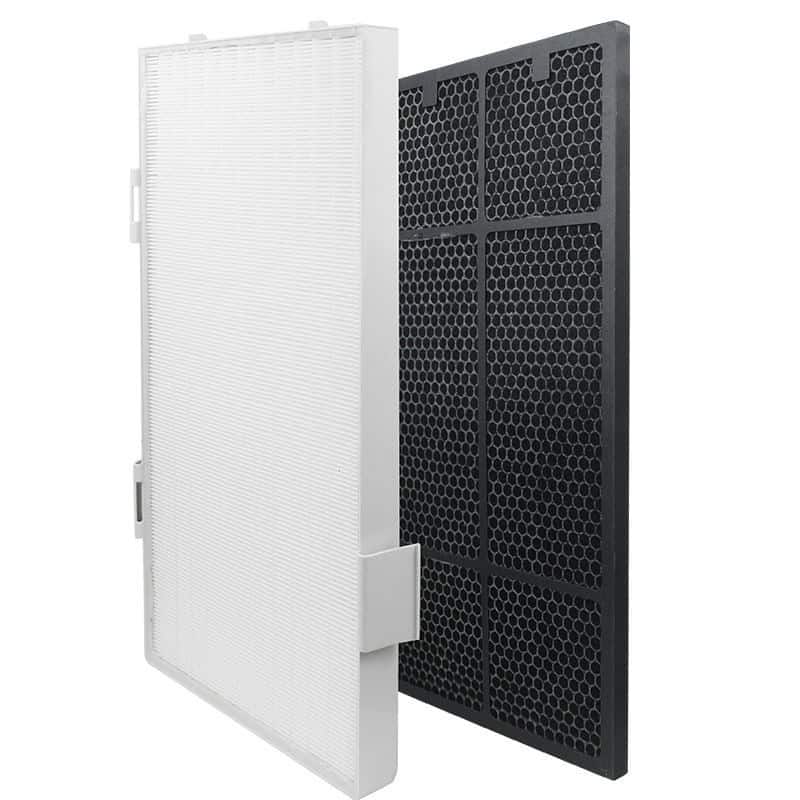
HEPA media catches solid particles, while an attached activated carbon layer handles odors and gases. Once that carbon layer is saturated with cooking smells, pet odor, or VOCs, it stops absorbing anything new. In a humid room, a dirty filter can also become a place for bacteria to grow, which is what causes that sour smell blowing back into the room. Replacing the filter removes the source directly.
The Filter Looks Dark Grey or Black
Turn the unit off, open the panel, and look at the filter itself. New HEPA media is usually close to white. If yours looks dark grey, brown, or black, it’s fully saturated. Don’t try to vacuum or rinse it. That tears the fibers and ruins the filtration. At that point, it just needs to be replaced.
3 Signs the Machine Itself Has Failed
Sometimes a new filter won’t fix the problem. These three signs point to the appliance, not the filter.
Grinding or Rattling Noises
A clogged filter makes the fan sound strained, but that’s different from hearing metal-on-metal grinding, clicking, or rattling. That’s a mechanical issue, usually worn or broken fan bearings. Repairing a failed motor typically costs more than a new entry-level unit.
Electrical or Control Failures
If the unit shuts off on its own, the control panel stops responding, or it won’t power on at all, the circuit board has likely failed. No filter can fix that.
Your Room Has Outgrown the Machine
This one isn’t a mechanical failure, it’s a mismatch. If you bought a small unit for a bedroom and later moved it into a large open living room, it was never built to handle that much air volume. Buying a new filter won’t help here. What you need is a larger unit sized for the new space.
Filter Replacement vs a New Machine Over Three Years
People often hesitate to buy a filter because a quality True HEPA replacement can look expensive up front. The math looks different once you compare it against replacing the whole unit.
Scenario A, buying new machines. You bought a mid-range air purifier for $150. Eight months later the filter is dirty, and instead of replacing it, you buy a different $150 unit. Repeat that pattern over three years and you’ll spend somewhere between $600 and $750 on hardware you’re mostly throwing away.
Scenario B, replacing the filter. You keep the same $150 machine and buy a premium H13 replacement filter for $35 every eight months. Over three years that’s roughly four filters, for a total maintenance cost around $140.
Keeping the hardware you already own and maintaining it properly ends up saving hundreds of dollars, while keeping your air quality consistent the whole time.
Finding the Right Replacement Filter for Your Exact Model
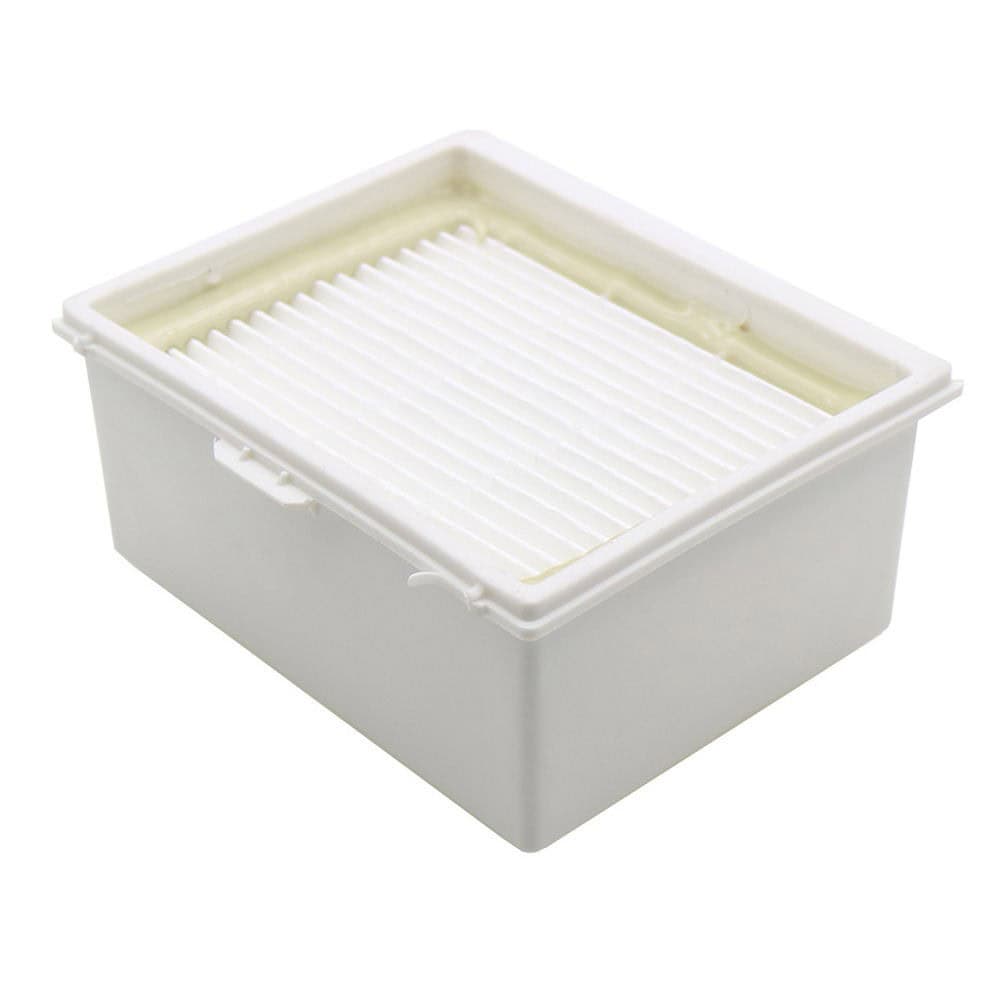
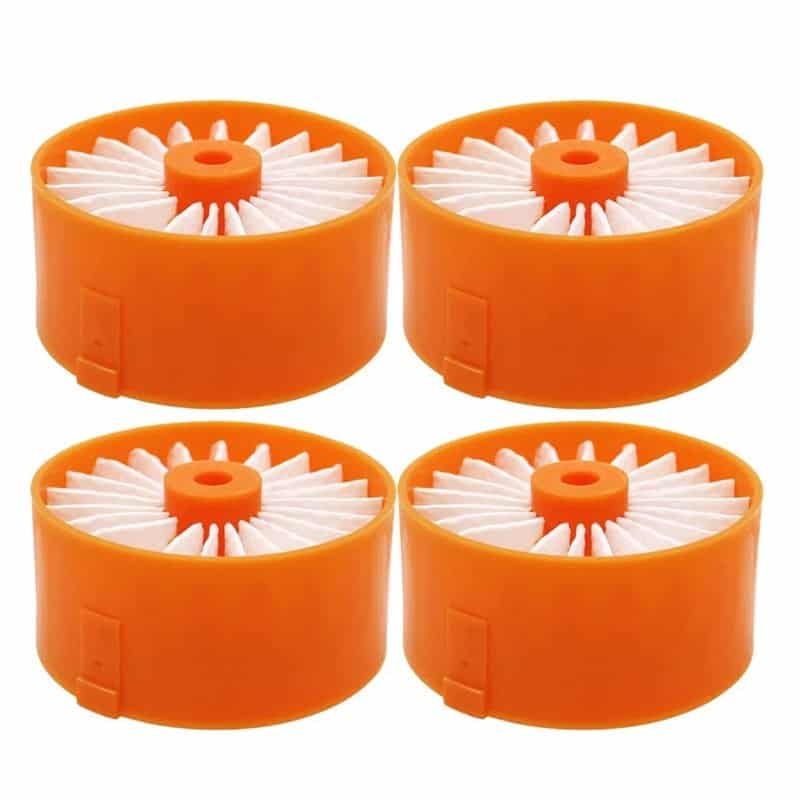
The main reason people give up on their old air purifier isn’t cost, it’s frustration. They search their machine’s brand, see a wall of identical white squares, and aren’t sure which one actually fits.
Getting the size wrong matters more than people expect. If a filter is even half an inch too small, air bypasses the media through the gap instead of passing through it, and the machine stops doing its job.
At HIFINE, we’ve mapped out the exact dimensions so you don’t have to measure your old filter yourself. Whether you’re replacing a filter in a household air purifier, or you manage a facility and need our full Vacuum Cleaner Filter Compatibility Table for commercial floor care equipment, the specs are already there for you to check against.
The Smart Choice Before You Buy Anything New
A weak or musty air purifier usually doesn’t need to be replaced. It needs a new filter.
If any of the three failure signs above sound familiar instead, that’s your signal to shop for a new machine sized correctly for your space.
Ready to check your model? Enter your brand and model into our Smart Filter Finder, or browse our full collection of HEPA air purifier filters.