
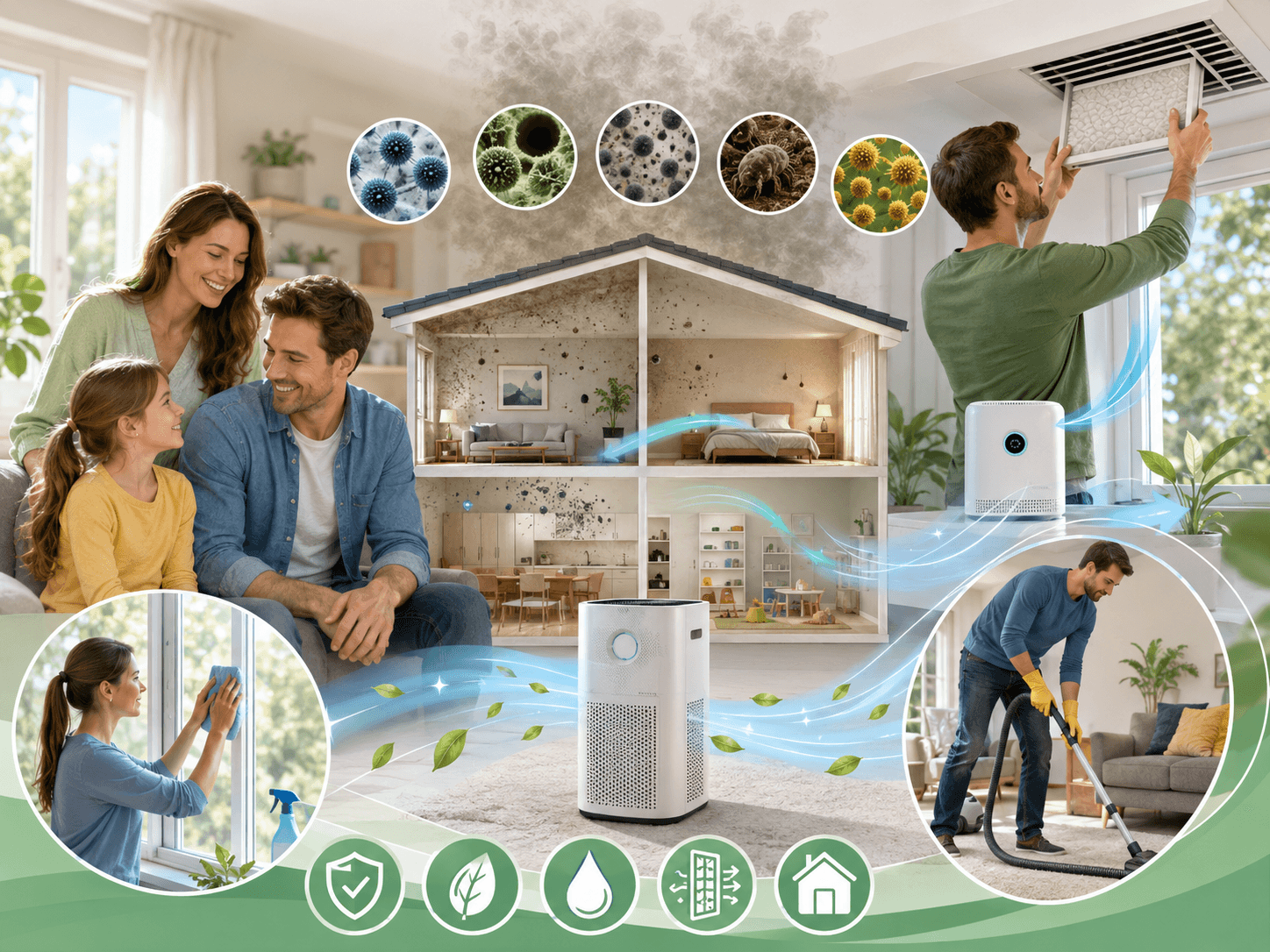
If you experience chronic fatigue, brain fog, and joint pain that doctors cannot quite explain, the culprit might not be in your genes. It might be in your air.
When buildings suffer water damage, they become breeding grounds for a hidden cocktail of mold, bacteria, and VOCs. For about 25% of the population, exposure to these damp spaces triggers a severe, systemic illness known as CIRS.
Managing this condition requires more than just opening a window or buying a standard retail air filter. It demands a rigorous containment strategy. Here is the definitive guide to understanding CIRS and the strict air purification protocols needed to reclaim your health.
What is chronic inflammatory response syndrome?
Chronic Inflammatory Response Syndrome is a progressive, multi-system, multi-symptom illness caused by exposure to biotoxins. First defined by Dr. Ritchie Shoemaker, CIRS occurs when a person’s immune system is genetically unable to identify and eliminate specific toxins.
Unlike a typical mold allergy, which is an isolated histamine reaction in the respiratory tract, CIRS is an HLA-DR genetic susceptibility issue. When these individuals inhale mycotoxins or actinomycetes from a water-damaged building, their immune system goes into a perpetual loop of systemic inflammation. The body attacks itself because it cannot get rid of the foreign particles.
According to data from the Center for Research on Biotoxin Associated Illnesses, CIRS affects multiple organ systems simultaneously, causing symptoms ranging from chronic fatigue and cognitive decline to digestive issues and light sensitivity.
Why do standard HVAC filters fail?
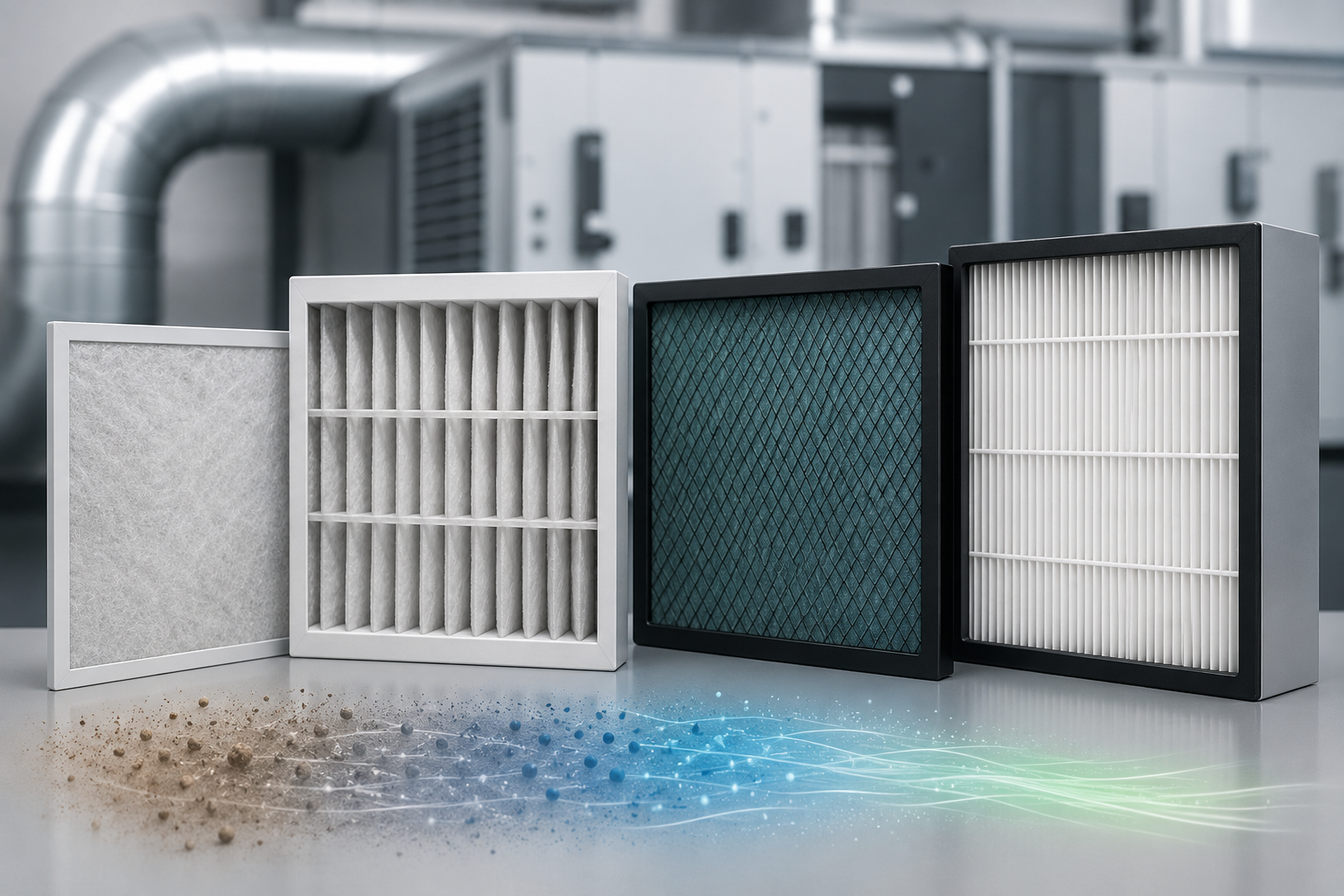
If you are dealing with biotoxin illness, standard fiberglass furnace filters are practically useless. Most residential HVAC filters are rated between MERV 1 and MERV 4. These are designed to catch large dust bunnies to protect the mechanical equipment, not to protect human lungs.
Mycotoxins—the toxic chemical compounds secreted by molds like Stachybotrys chartarum—are incredibly tiny. While a mold spore might measure between 1 and 20 microns, fragments of spores and pure mycotoxins can be as small as 0.1 microns.
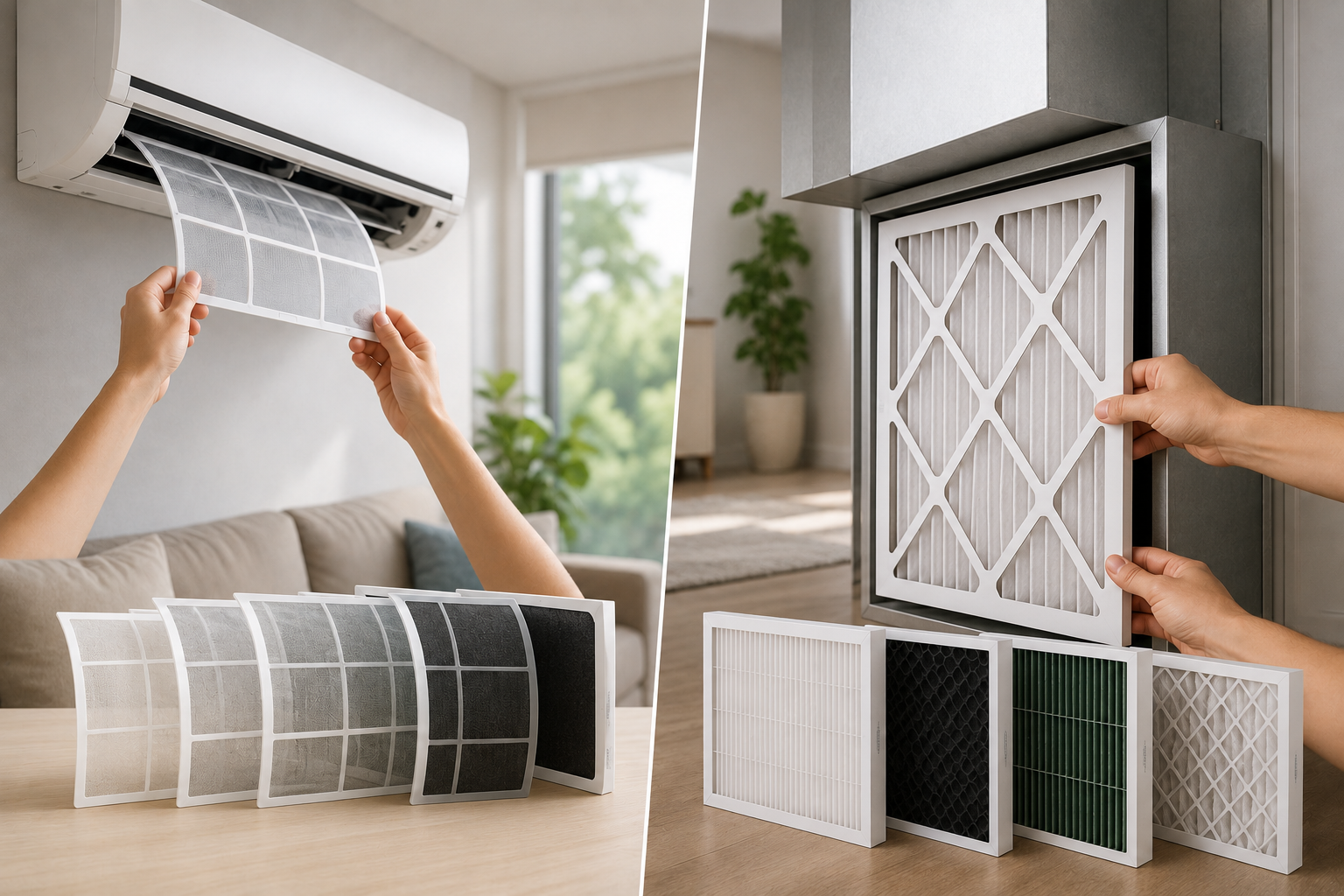
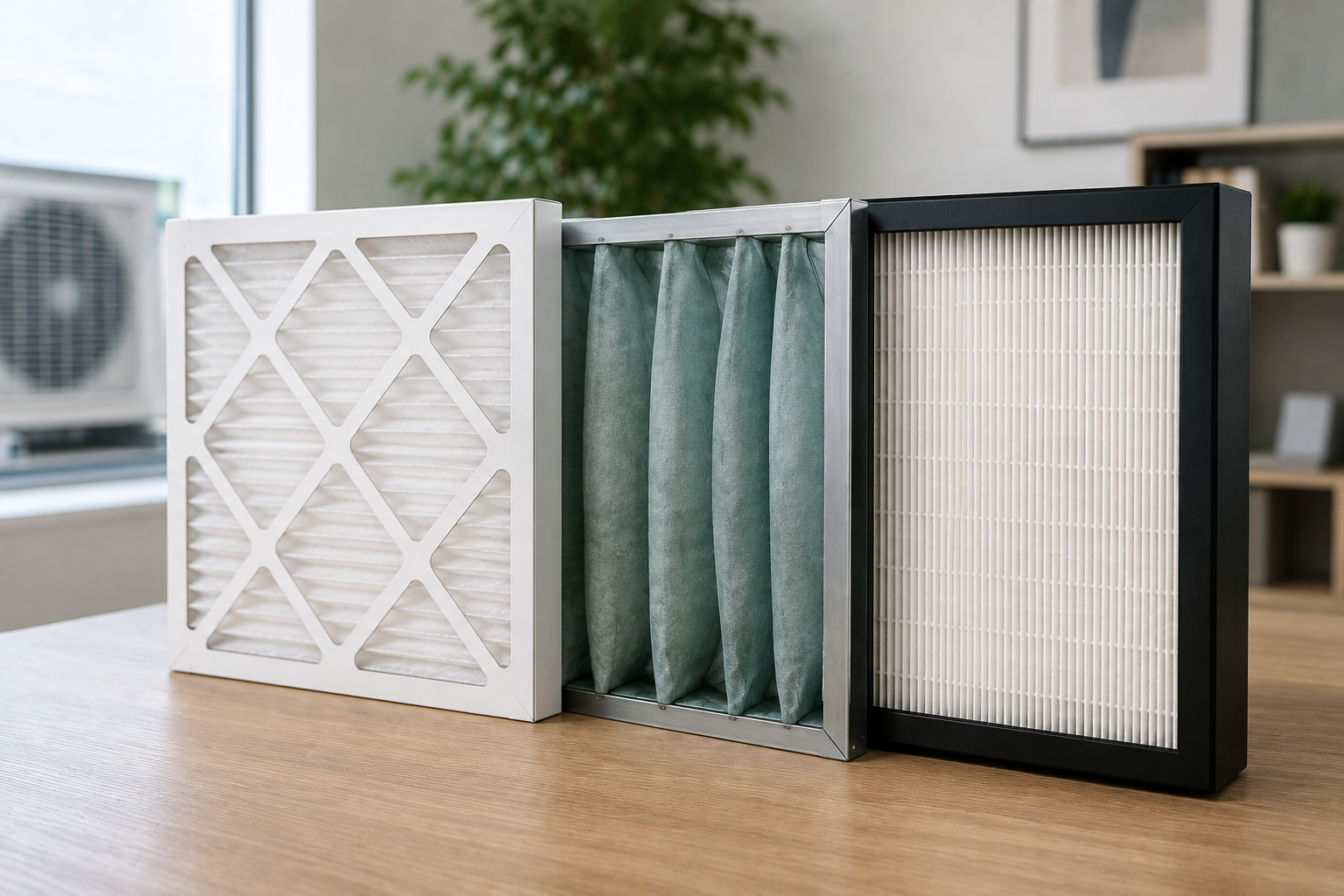
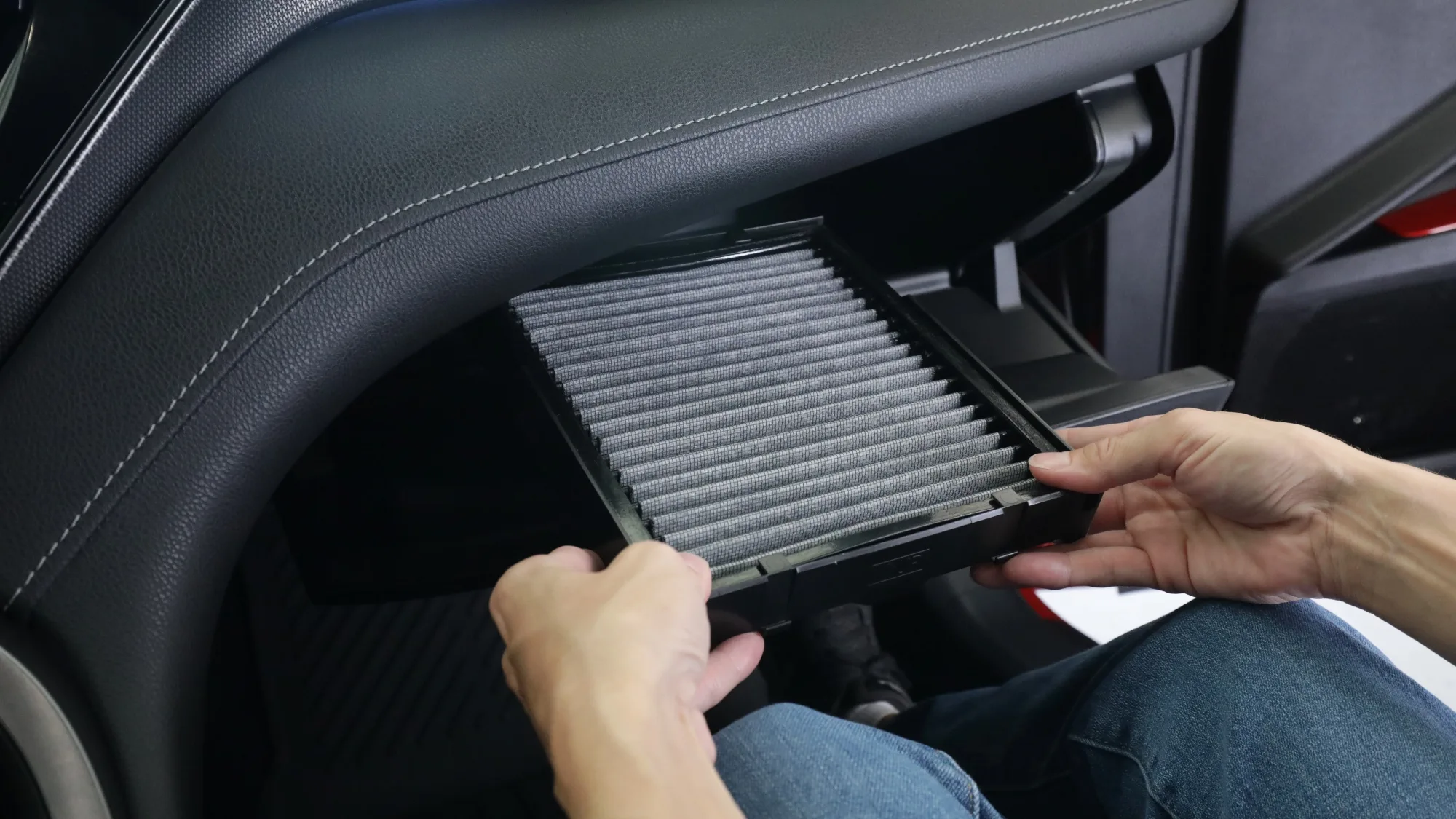
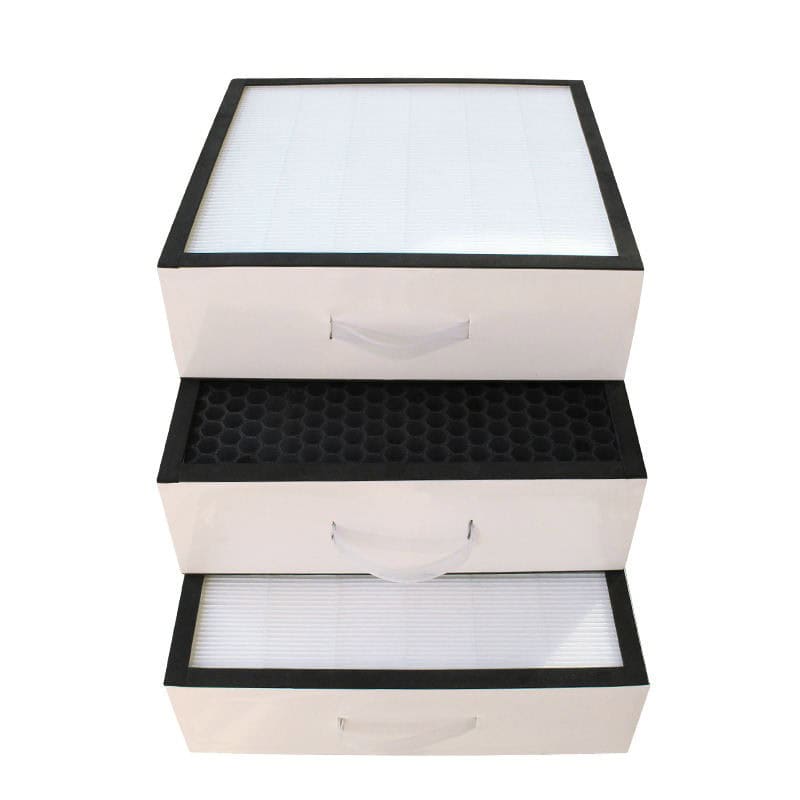
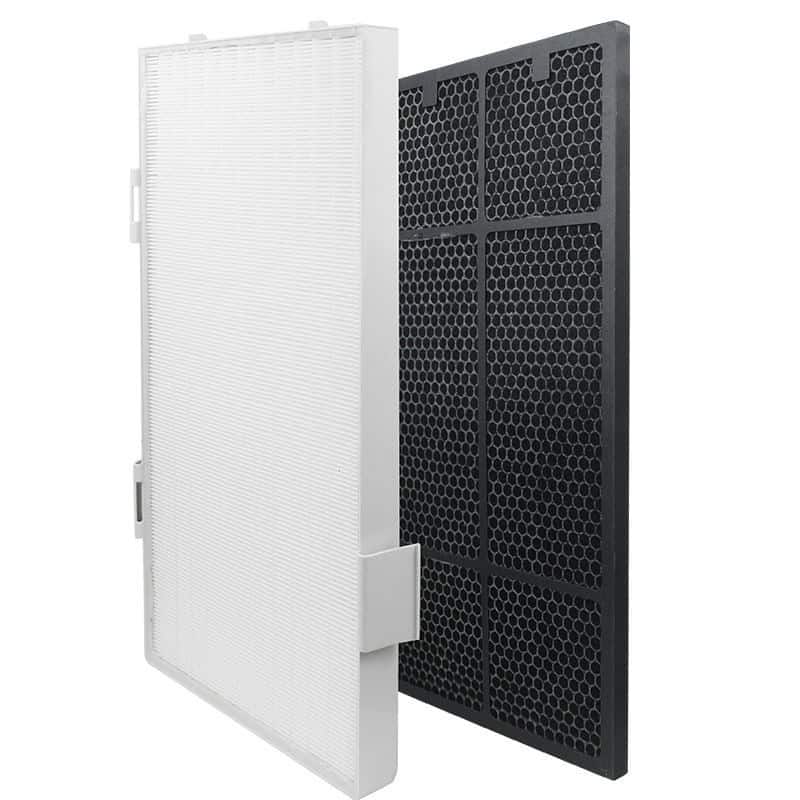
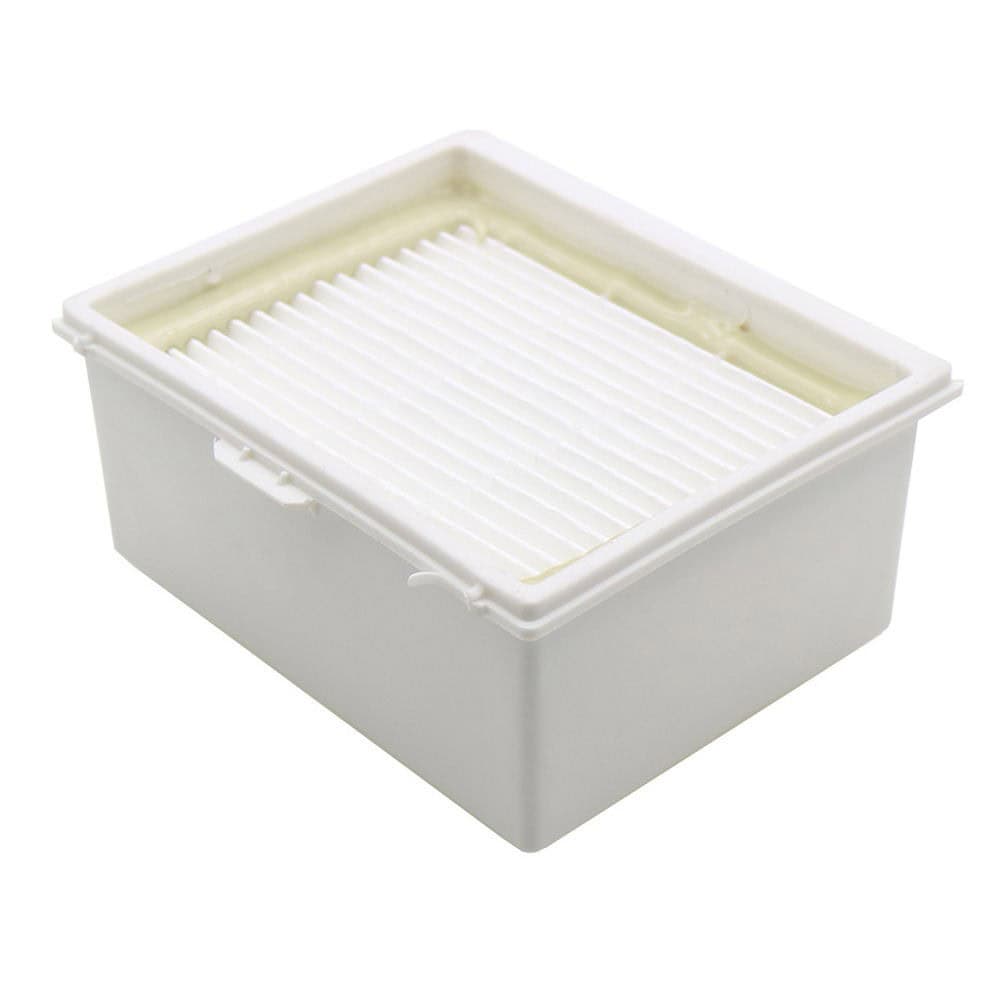
When an compromised immune system encounters these ultra-fine particles, the inflammatory cascade begins instantly. To trap these microscopic threats, you need medical-grade efficiency. This is where upgrading your home’s filtration system with high-efficiency alternatives, such as premium HEPA Air Filter Replacements, becomes a medical necessity rather than a home improvement luxury.
Air Purification Guidelines for CIRS Management
To build an environment where a CIRS patient can actually heal, you must follow a multi-tiered air purification protocol.
Achieve True HEPA Filtration
The gold standard for biotoxin removal is True HEPA filtration. An H13-grade HEPA filter captures 99.97% of particles down to 0.3 microns, and a significant percentage of particles even smaller.
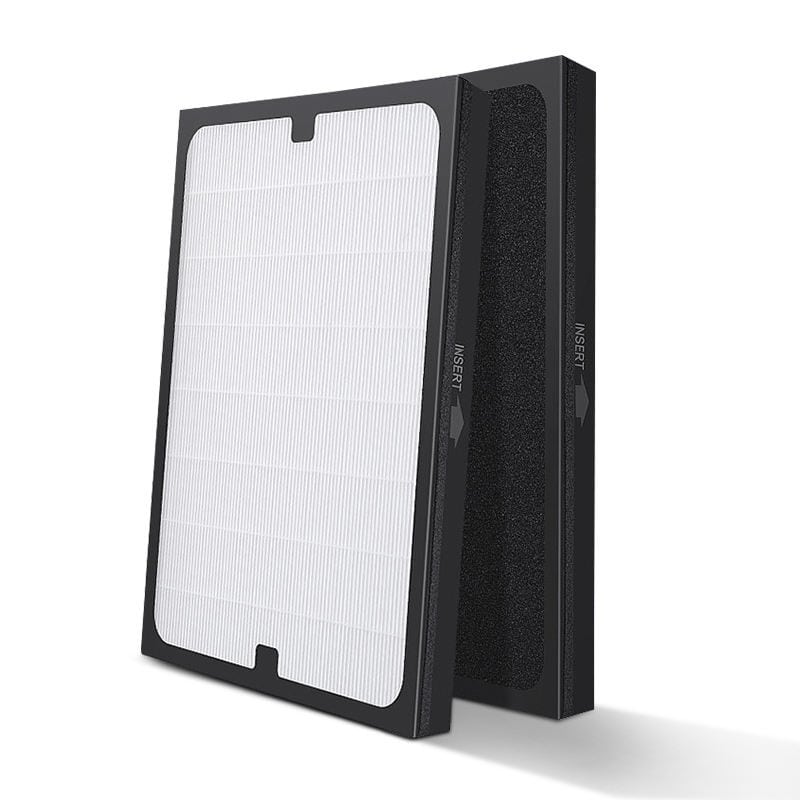
Run standalone air purifiers in high-traffic areas, especially the bedroom. Ensure you swap out old filters regularly. Utilizing reliable HIFINE replacement filters ensures that your purifiers maintain the tight seal required to prevent air bypass, which allows mycotoxins to leak back into the room.
Optimize Your Air Changes Per Hour
An air purifier cannot protect you if it processes the air too slowly. For standard allergy sufferers, 2 to 3 Air Changes Per Hour is fine. For CIRS recovery, guidelines suggest a minimum of 5 to 6 ACH. This means the total volume of air in the room must pass through a medical-grade filter every 10 to 12 minutes.
Attack the Settled Dust
Air purification is only half the battle. Biotoxins are heavy and frequently settle onto floors, carpets, and furniture. Walking across a room kicks these particles back into your breathing zone—a phenomenon known as the reservoir effect.
- The Vacuum Protocol: You must vacuum floors at least twice a week using a vacuum equipped with a sealed HEPA system. If your vacuum leaks air through its seals, it acts as a biotoxin distributor.
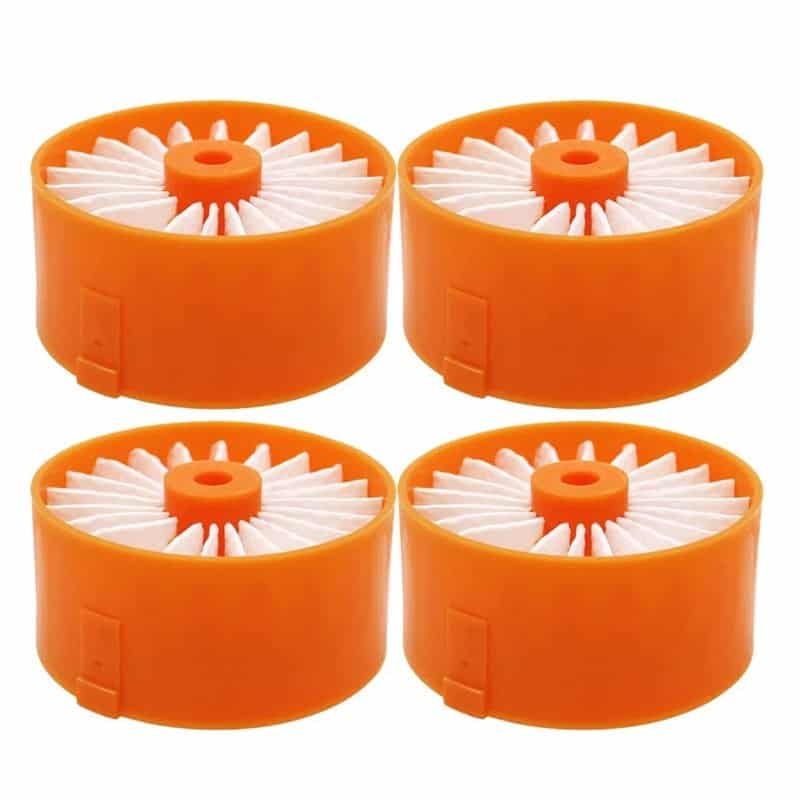
- Robotic Maintenance: For daily maintenance, automated cleaning helps keep the dust reservoir low. Ensure your robot vacuum utilizes high-efficiency filtration, like HIFINE robot vacuum filters, to trap fine fragments during daily sweeps without re-contaminating the air.
Testing Over Guessing
Controlling humidity is the crucial first step in mold control. Once the leak is fixed, use an ERMI dust test to check your home’s safety score. A safe home for a CIRS patient generally requires an ERMI score below 2.
Once the source is gone, aggressive air purification, frequent HEPA vacuuming, and replacing your home’s filters with pristine, high-efficiency options will create the clean, low-toxin sanctuary your body needs to finally switch off the chronic inflammatory response.