
When buyers compare H13 HEPA filters, the first number they look at is usually 99.95 percent efficiency. That number is important, but it is only one part of the product.
Many suppliers can provide an H13 test report. The reports may look almost identical, yet the quoted prices can be very different. In many cases, the difference comes from the way the filter is built instead of the filter media itself.
A filter that performs well in a laboratory may not perform the same inside an air purifier or a vacuum cleaner. Airflow, sealing, frame strength, and dimensional accuracy all affect the final result. These details are often missed during supplier evaluation.
This guide explains the specifications that deserve attention before placing an OEM order.
Filter Media Is Only One Part of the Product
Glass fiber media is still the most common choice for H13 HEPA filters. It captures very fine particles while keeping airflow at a practical level. Most media used in household appliances measures between 0.35 mm and 0.60 mm thick.
Some manufacturers use PET or PP media for products that operate in humid environments. Synthetic media holds its shape better and produces fewer loose fibers during production. It also offers better resistance to moisture, although the material costs more than glass fiber.
Changing the media changes more than filtration efficiency. It also changes airflow resistance, pleat stability, dust holding capacity, and service life.
Frame Material Affects Long Term Performance
The frame supports the filter from production to final installation.
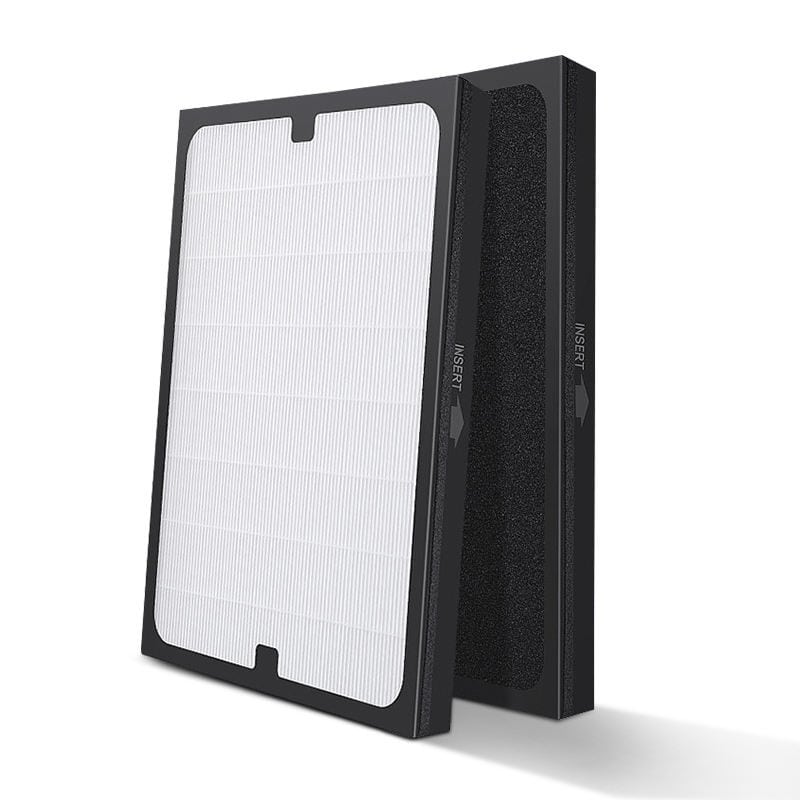
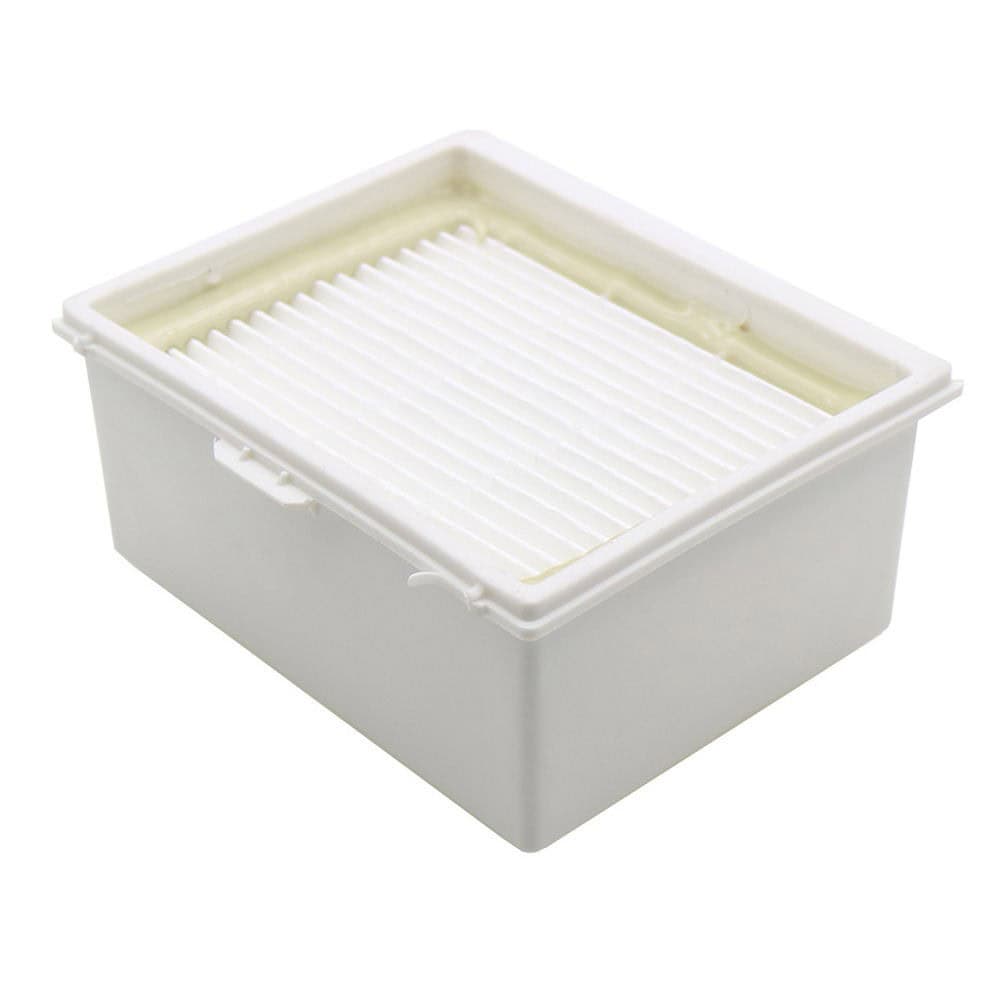
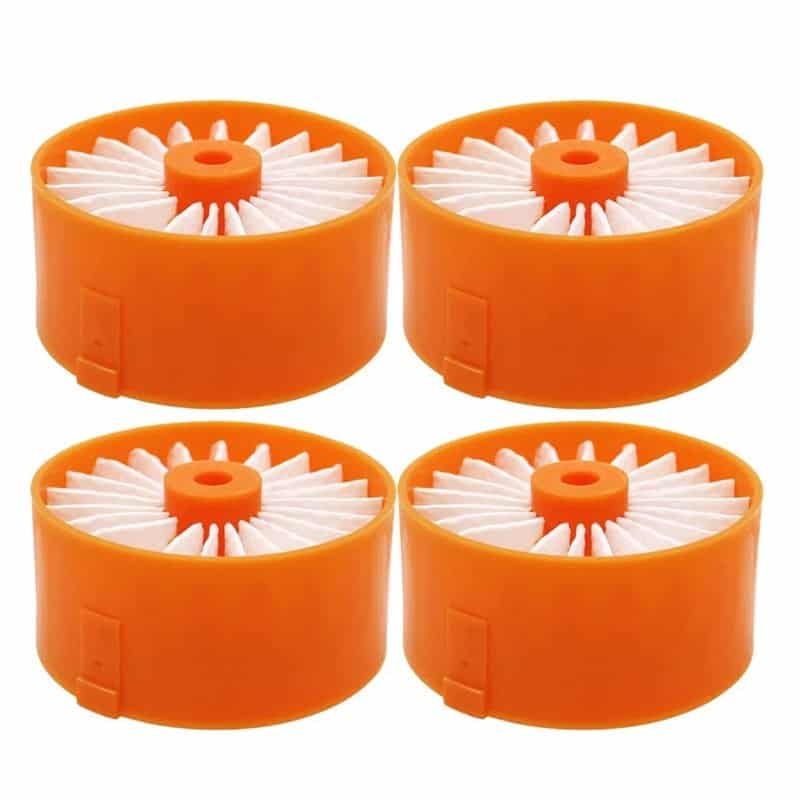
Plastic frames are common in air purifiers, stick vacuums, and robot vacuums because they reduce weight and manufacturing cost. Aluminum offers better corrosion resistance and keeps its shape over time. Galvanized steel is often selected for larger filters that require additional strength.
Frame deformation is a common quality issue. A frame that bends during shipping or installation may leave small gaps around the edge. Air always follows the path with the least resistance. Even a small gap reduces the amount of air passing through the HEPA media.
Pleat Design Changes Airflow
The number of pleats tells only part of the story.
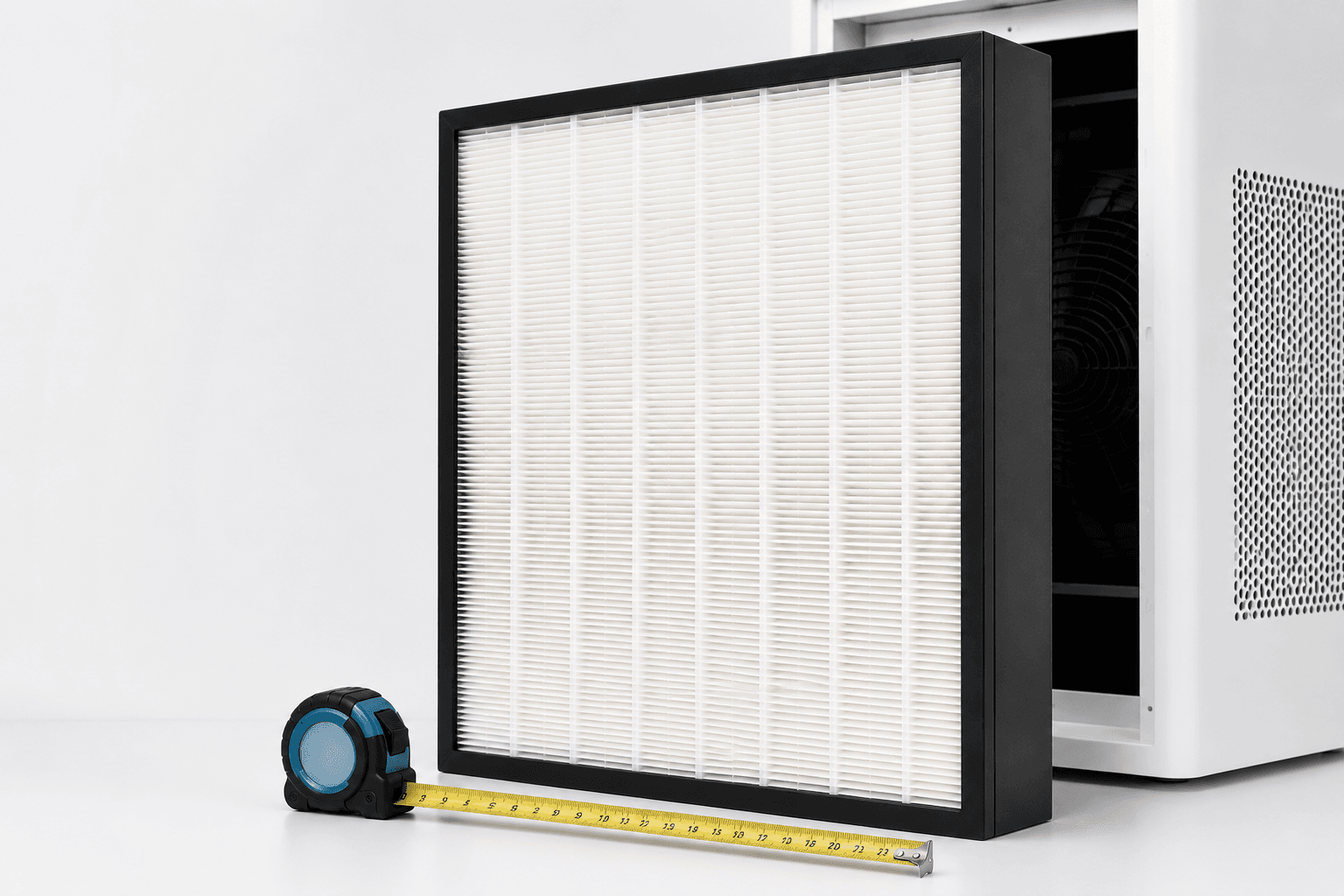
Pleat spacing affects both airflow and filtration area. Most compact H13 filters use spacing between 2 mm and 5 mm. Narrow spacing increases resistance. Wide spacing reduces the total filtration area.
A well designed pleat pattern keeps airflow even across the entire filter surface. It also allows dust to spread more evenly instead of collecting in one section of the media.
Seal Quality Is Easy to Ignore
The seal around the media is just as important as the media itself.
Most H13 filters use polyurethane sealant to bond the media to the frame. Once the sealant cures, it blocks air from escaping around the edge of the filter pack.
The gasket creates another seal between the filter and the appliance housing. Foam gaskets are common in household products. Most designs use a compression rate between 20 percent and 40 percent.
A poor seal creates air leakage. The filter may pass laboratory testing, but part of the airflow can still move around the media after installation.
Small Dimensional Errors Create Big Problems
Most household HEPA filters are made for one specific product.
Unlike HVAC filters, there is no universal size. Every brand designs its own housing, locking tabs, and sealing surface.
Production tolerance is often held within 0.5 mm for length and width. Thickness is commonly controlled within 0.3 mm.
A difference of only 1 mm may stop the filter from sitting correctly inside the housing. That small gap can reduce sealing performance or create assembly problems during production.
Before approving samples, compare every critical dimension with your engineering drawings. Check the frame size, pleat count, gasket position, and airflow direction instead of relying only on the efficiency report.
Pressure Drop Deserves the Same Attention as Efficiency
High efficiency means little if airflow becomes too low.
Pressure drop measures how much resistance the filter creates while air passes through the media. Most household H13 filters start between 80 Pa and 250 Pa. The value depends on media area, airflow, and pleat geometry.
As the filter collects dust, pressure drop continues to rise. Many products reach the recommended replacement point at about 500 Pa.
High resistance reduces airflow through the appliance. Lower airflow reduces CADR. The fan works harder, produces more noise, and consumes more electricity.
Request pressure drop data that matches the airflow used in your own product. General specification sheets often provide numbers that do not represent real operating conditions.
What OEM Buyers Should Confirm Before Production
An efficiency report should never be the only document reviewed before placing an order.
Confirm the filter media specification, frame material, gasket material, and sealant before production begins.
Measure the sample against the approved drawing. Verify pressure drop at the required airflow. Review the operating temperature and dimensional inspection records.
These checks reduce production risk and improve consistency across every manufacturing batch.
H13 HEPA Filters Made To Order By HIFINE
HIFINE is a producer of custom H13 & H14 HEPA filters for air purifiers, vacuum cleaners, humidifiers and other domestic equipment.
Our engineering team works directly from customer drawings, 3 dimensional models or production samples. The first steps of every project are media selection, frame design, airflow analysis and dimensional verification.
Before we go into mass production we check pressure drop, filtration efficiency and all critical dimensions. Each production run undergoes the same inspection process to ensure that the finished filters are consistent with the approved samples and perform consistently in your products.