Many people wake up in the morning to find itchy red bumps on their skin and immediately search online for ways to treat dust mite bites. The usual approach is to change their sheets and blankets or buy a mite-removing vacuum cleaner. However, approaching this issue strictly as a pest control problem ignores the actual biology of the dust mite and the physics of indoor air quality.
If you are experiencing skin reactions and respiratory issues, understanding the mechanics of how allergens behave during the cleaning process is critical. While floor and mattress maintenance is necessary, relying solely on mechanical suction without proper airborne filtration often kicks up and disperses the exact particles causing your physical symptoms.
What are dust mite bites actually?
From a biological and medical standpoint, dust mites do not bite humans. They do not have teeth, and they do not have the mouthparts required to pierce human skin. They act entirely as scavengers, feeding on the dead skin cells that humans and pets naturally shed.
According to the Asthma and Allergy Foundation of America, what people commonly identify as “bites” is actually an allergic reaction known as contact dermatitis.
When you see red, itchy bumps on your skin, your immune system is reacting to specific proteins found in dust mite feces and decaying body fragments. If you roll over on a mattress heavily populated by dust mites, your skin comes into direct contact with these microscopic waste particles, triggering a localized histamine response.
The limits of vacuum cleaners for mite removal
Because the issue stems from microscopic waste rather than biting insects, the way you clean your mattress dictates your exposure levels.
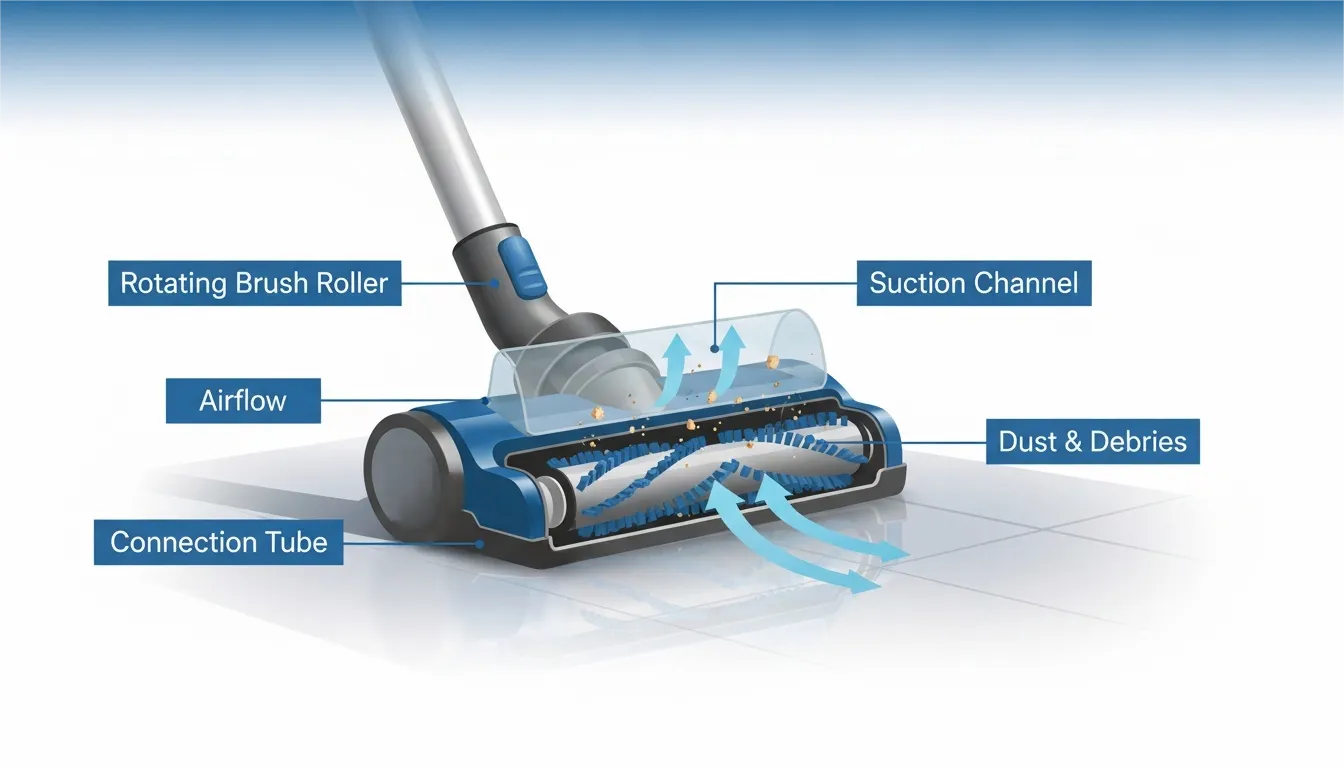
Using a vacuum cleaner for dust mites is the standard protocol for source removal. However, a vacuum relies on aggressive physical agitation. When the motorized brush roll of a house dust mite vacuum cleaner strikes the fabric of a mattress or carpet, it shatters the dried fecal pellets into ultra-fine fragments.
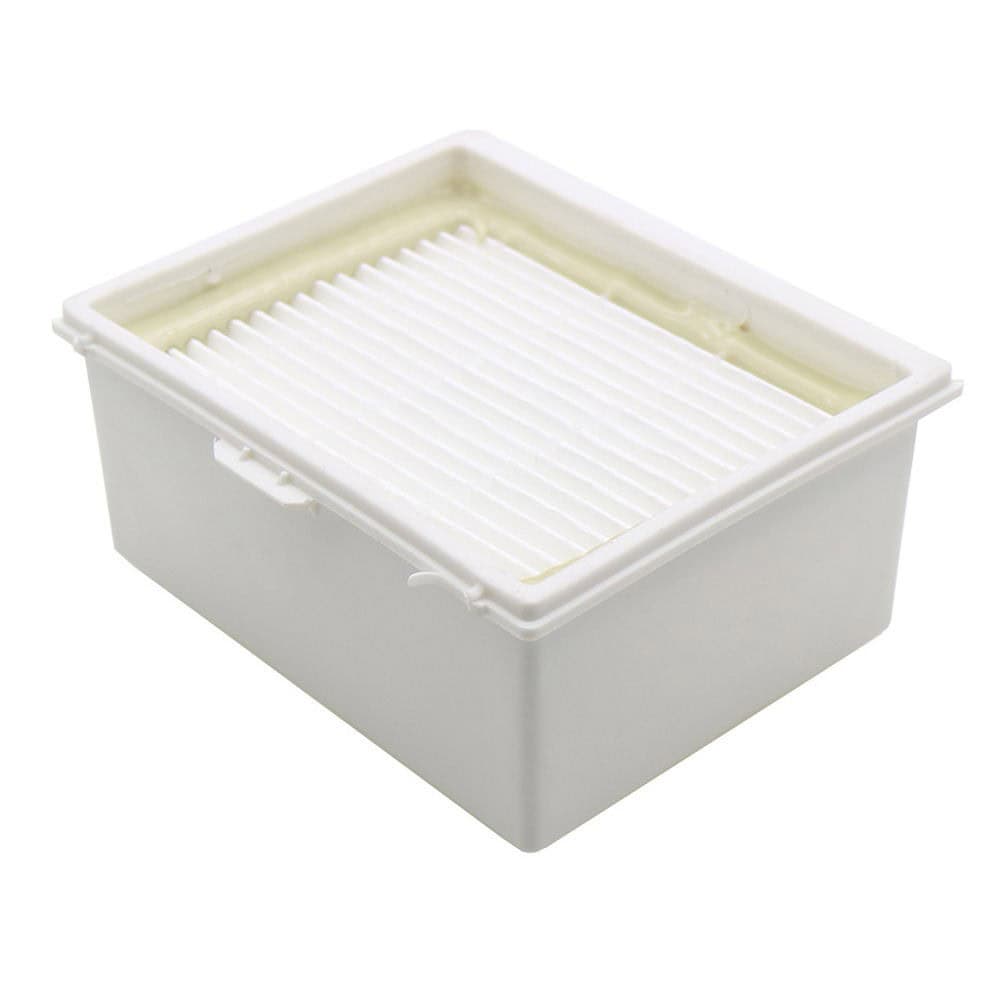
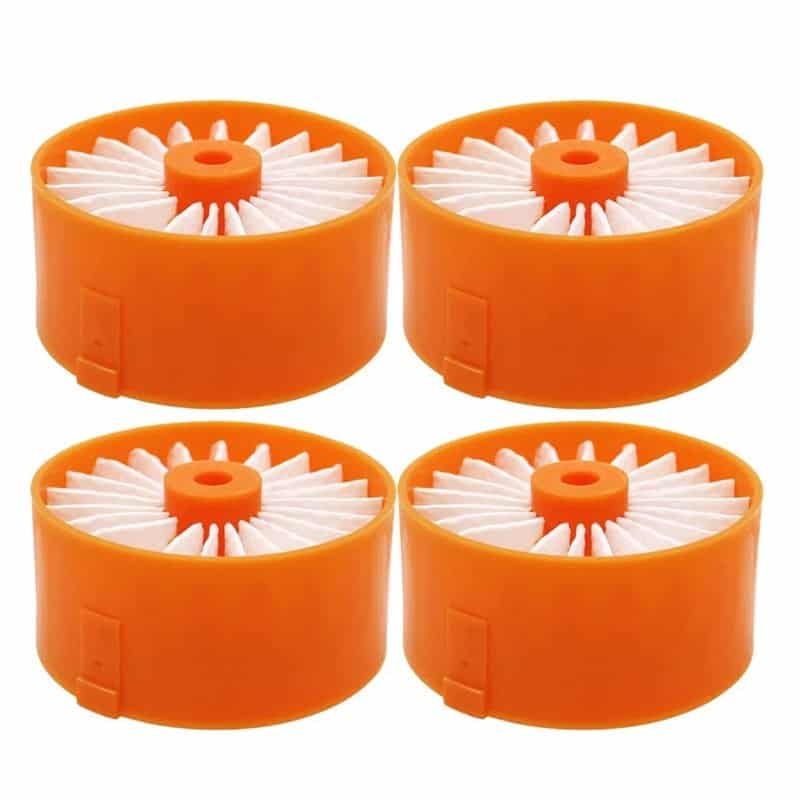
While a hepa vacuum for dust mites successfully traps the larger debris (like hair, sand, and intact skin cells) inside its dustbin, the mechanical beating action simultaneously launches the shattered, sub-micron allergen proteins directly into the air.
These fragmented Der p 1 proteins often measure less than 2.5 microns. At this size, they lack the mass to fall quickly back to the bed. Instead, they remain suspended in the air currents of your bedroom for hours. You have effectively moved the allergen from the surface of your mattress into the air you breathe.
Managing Airborne Suspensions with Filtration Media
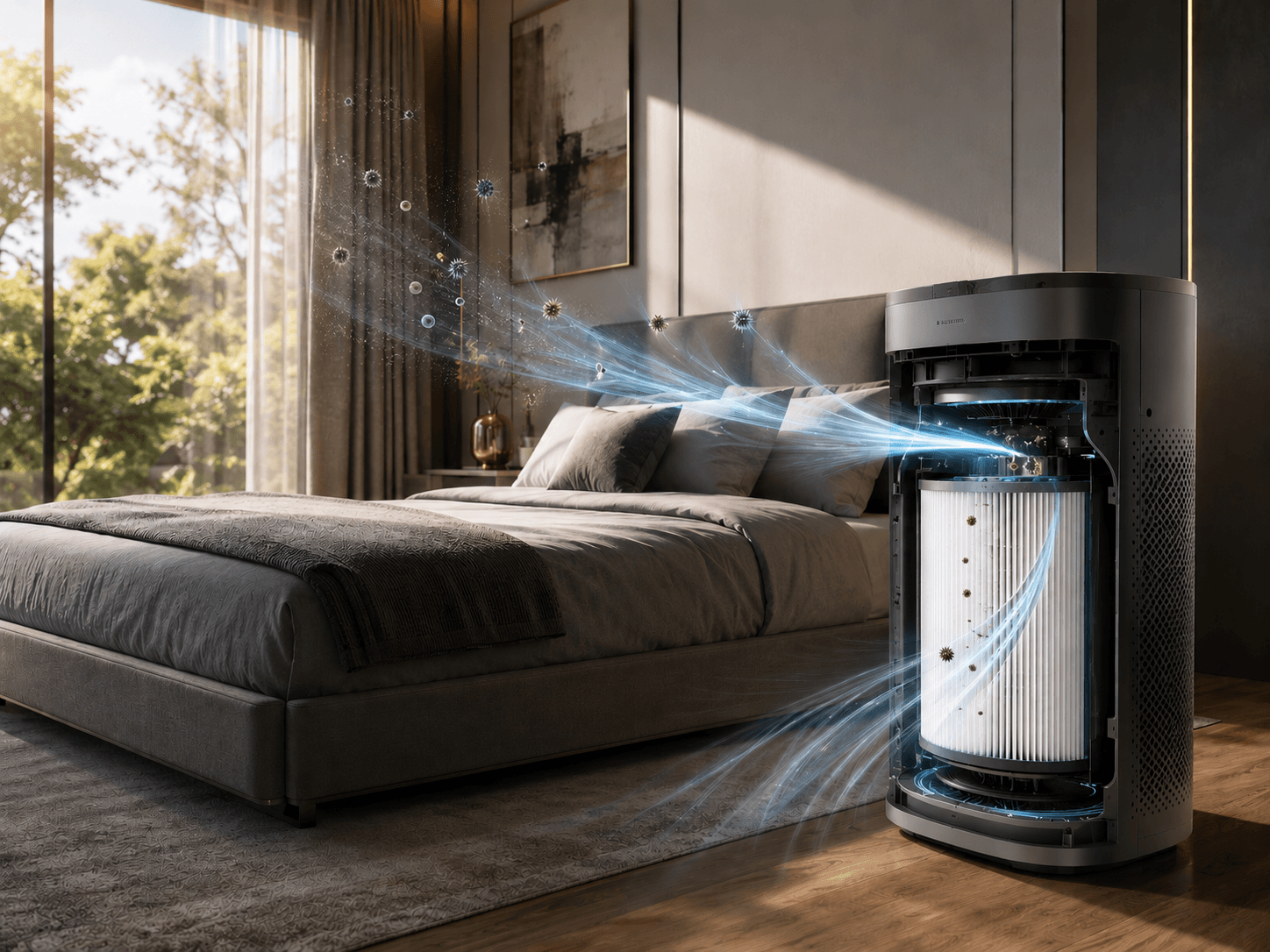
Once the allergens are aerosolized by your bed mites vacuum cleaner, floor-cleaning tools are no longer effective. The only scientific method to clear suspended PM2.5 biological proteins is through high-efficiency room air circulation.
This is where the integrity of your air purifier’s filter becomes the most critical component in your bedroom.
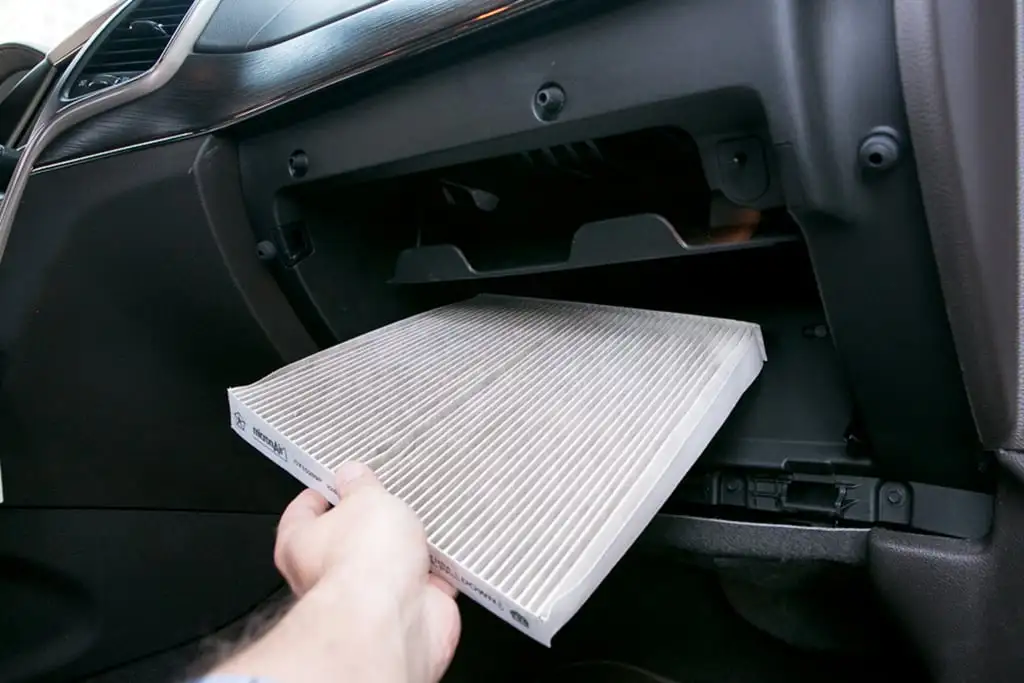
Many consumers own an air purifier but fail to realize that the machine itself is merely a fan. The physical filter media dictates the clean air delivery rate. If the filter is saturated from months of use, or if the pleats lack sufficient density, the machine will suffer from a pressure drop. When this happens, the fan forces air around the edges of the filter frame—a process known as airflow bypass. The machine will simply recirculate the suspended dust mite allergens back into the room.
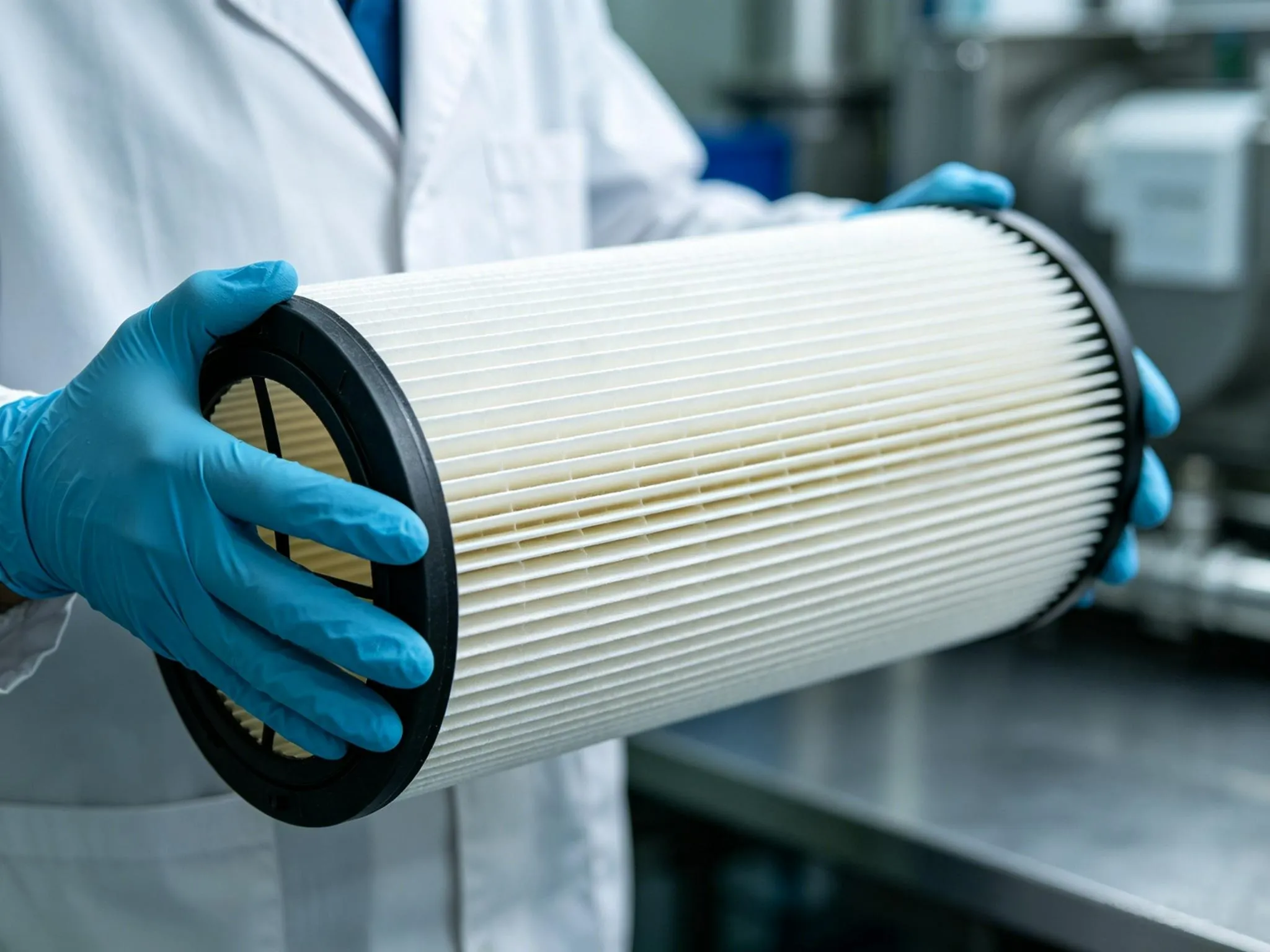
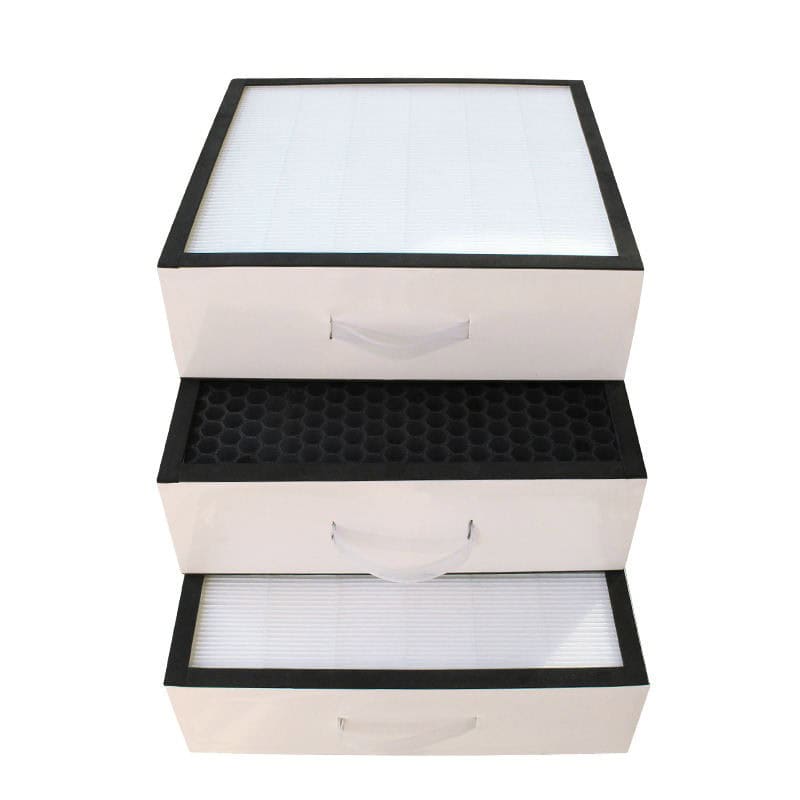
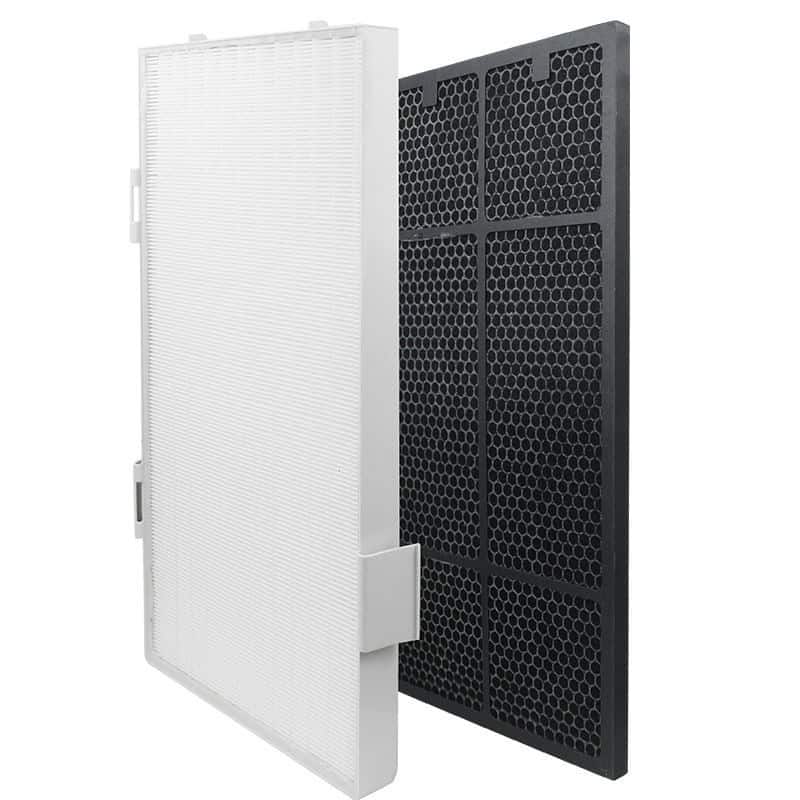
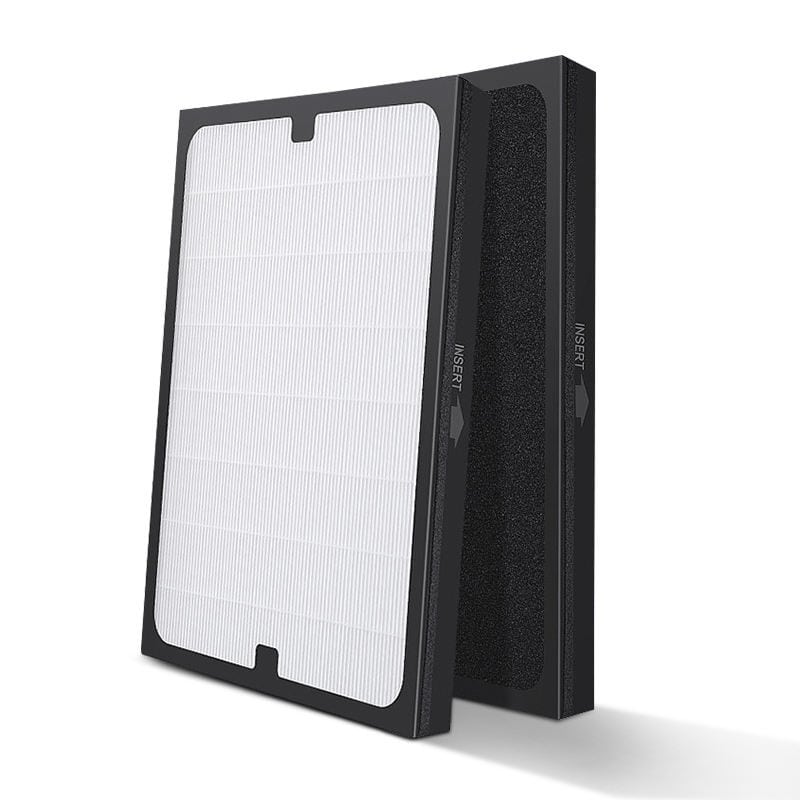
To secure the environment after vacuuming, the filtration media must maintain a perfect seal and possess a high capacity for sub-micron particle diffusion. At HIFINE, we engineer our replacement HEPA filters specifically to manage these microscopic biological loads. By matching original equipment manufacturer dimensions exactly, HIFINE filters prevent bypass leakage, ensuring that the airborne allergens agitated by your vacuum are structurally trapped in the dense synthetic fibers.
How to prevent skin allergies and respiratory symptoms
To prevent skin reactions and respiratory spikes, you must treat your bed and your room air as a single, connected system. Even the best vacuum for dust mite allergies requires an environmental backup.
To effectively manage a room, follow this standardized routine:
- Reduce Ambient Moisture: Dust mites absorb water directly from the air. Keep your bedroom humidity below 50% to inhibit their reproduction cycle before you begin cleaning.
- Synchronize Airflow During Cleaning: Before using your vacuum mattress dust mites routine, turn your room’s air purifier to its maximum fan speed. Do not use “auto” mode, as sensors often fail to detect biological fragments immediately.
- Allow for Settling Time: After you finish vacuuming the bed, leave the air purifier on high for a minimum of two hours to pull the suspended allergen fragments out of the breathing zone.
- Maintain Media Integrity: Do not wait for machine indicator lights, which are often just simple timers. To maintain the necessary airflow dynamics, replace your air purifier filter every 4 to 6 months with a tightly sealed, precision-engineered HIFINE replacement filter.
Understanding that “dust mite bites” are an allergic reaction to airborne and surface proteins changes how you approach bedroom hygiene. By pairing a thorough vacuum routine with reliable, high-density air filtration, you can successfully remove the allergens from both your mattress and your lungs.