Run your finger across the top of your range hood. That yellow-brown film is cooking oil that went airborne and settled on the nearest surface. It’s the most visible sign of something that happens every time you cook at high heat. The particles that didn’t settle — the ones too small to see — are still in the air, often for hours after the burner’s off.
Most kitchens are dealing with two pollution problems at once: what’s in the air and what’s coming out of the tap. Each needs a different kind of filter cartridge to handle. Using the wrong one, or skipping one entirely, means the contamination stays — even when you think you’ve got it covered.
HEPA filters can block most oil stains
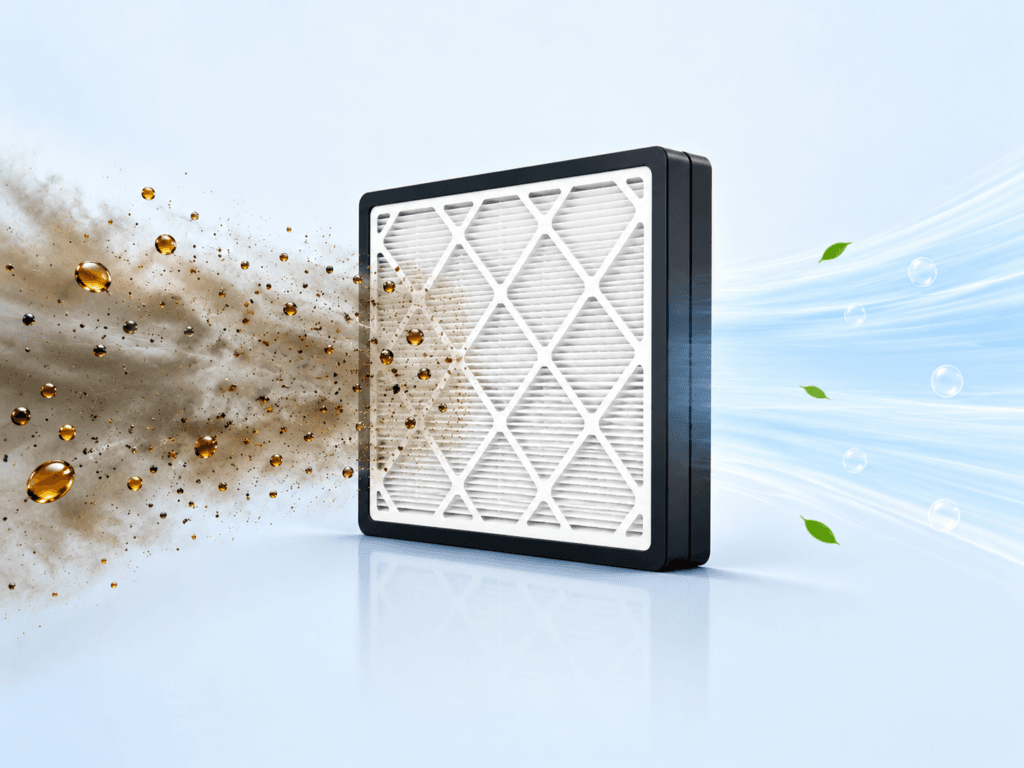
Any time you cook with oil at high heat, a constant stream of tiny oil droplets enters the air above the pan. These particles are between 0.1 and 5 microns in size. Unlike visible smoke, they don’t just rise and clear — they hang at breathing height for 30 minutes to a few hours, depending on how well the room is ventilated.
A 2019 study in the journal Indoor Air measured PM2.5 levels during stir-frying and found them peaking at 20 to 50 times the outdoor baseline. That’s not a marginal reading — the air inside the kitchen becomes a different environment the moment oil hits a hot pan.
A range hood moves some of that air toward an exhaust point. It doesn’t clear the concentration sitting in the middle of the room at head height. Running a hood is still worth doing, but treating it as the whole solution overstates what it actually handles.
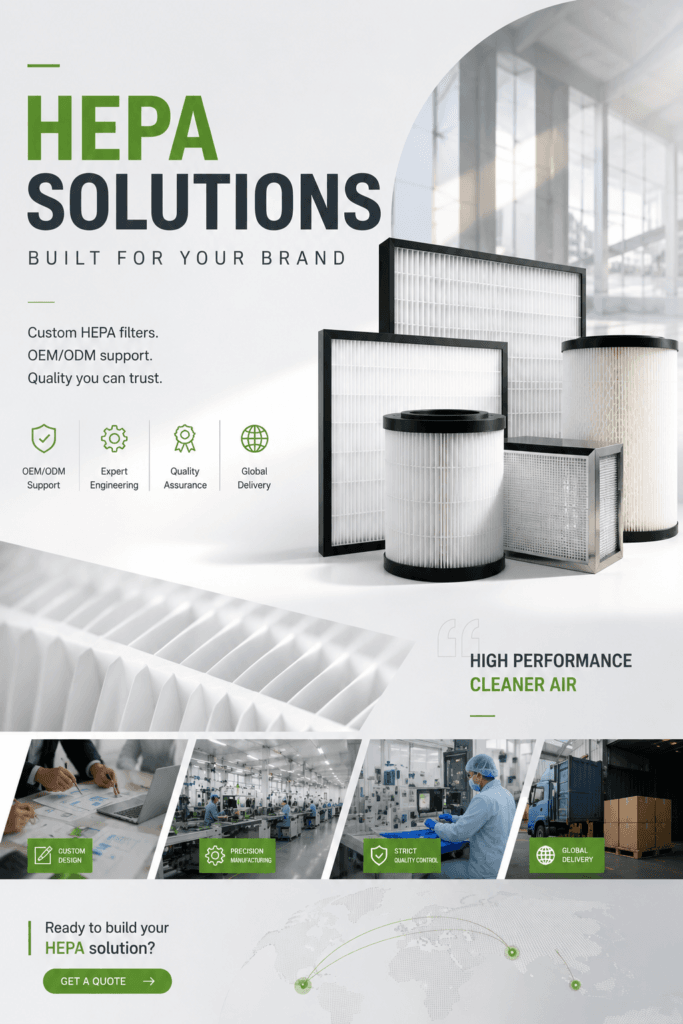
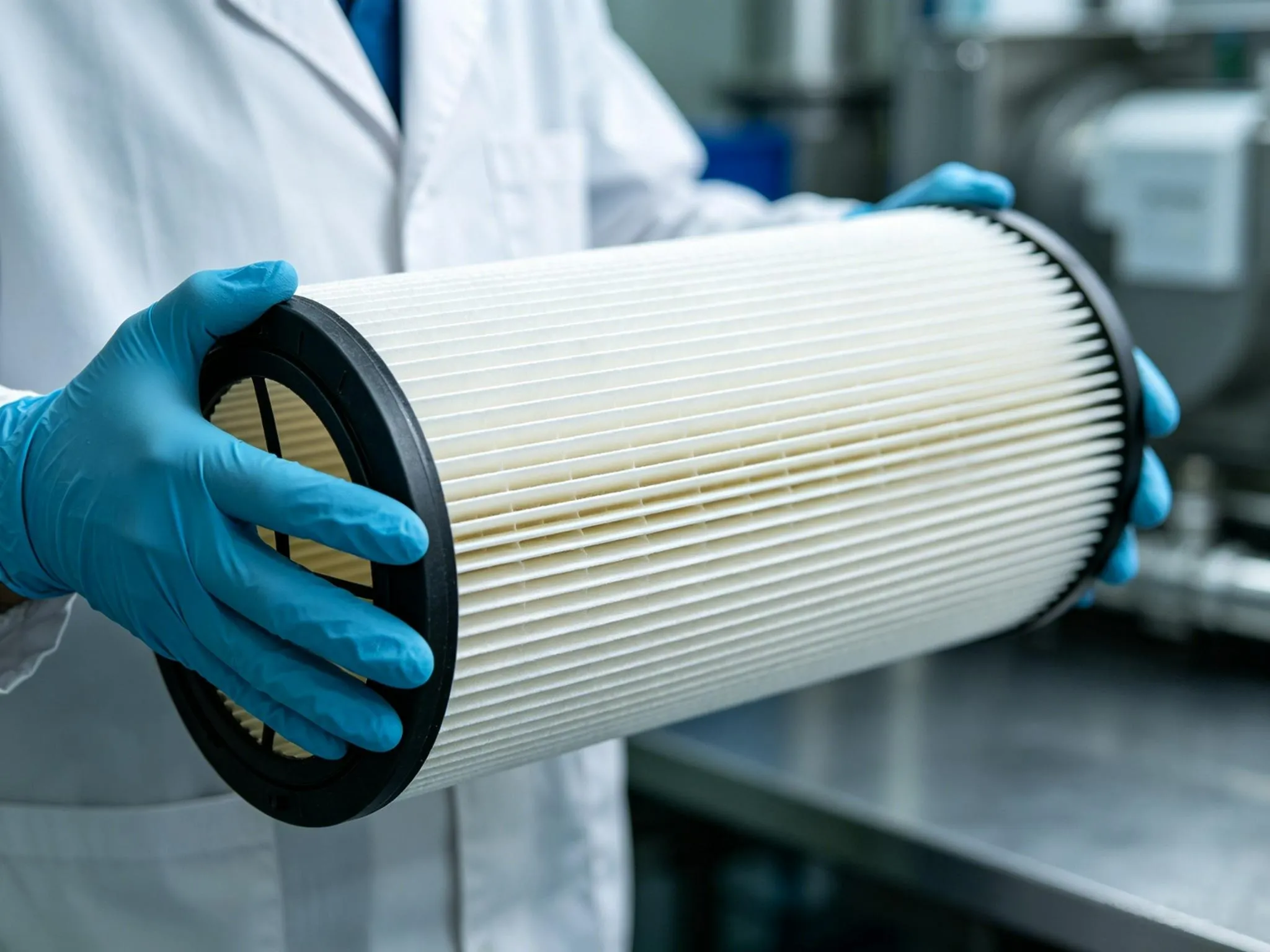
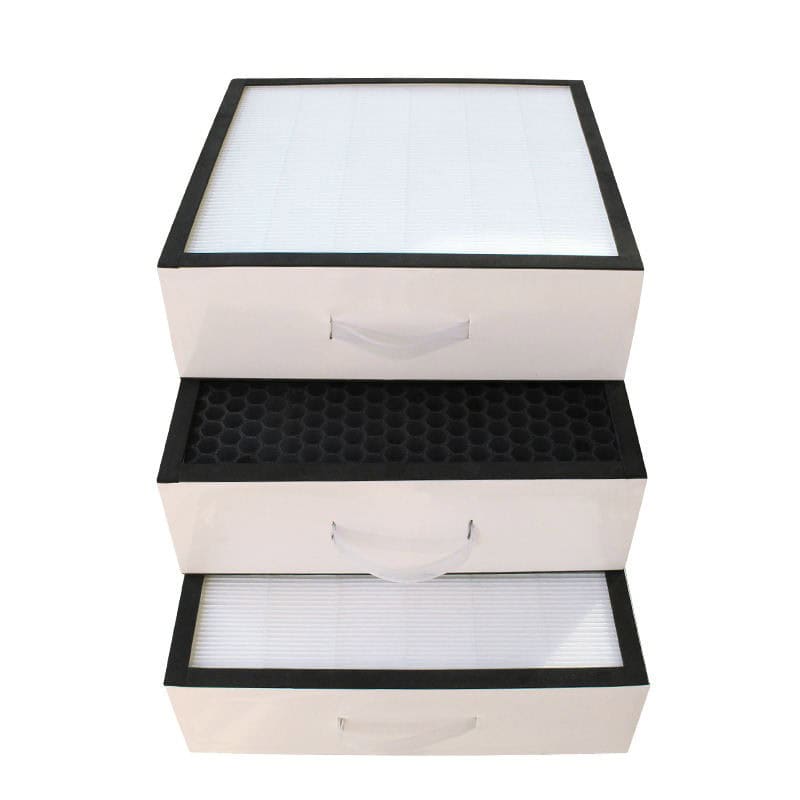
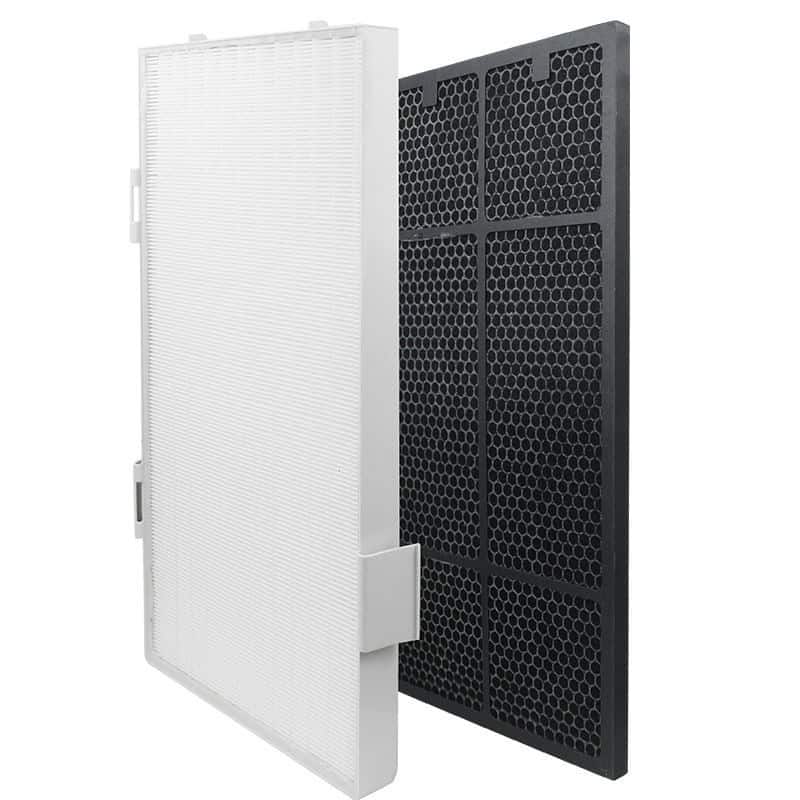
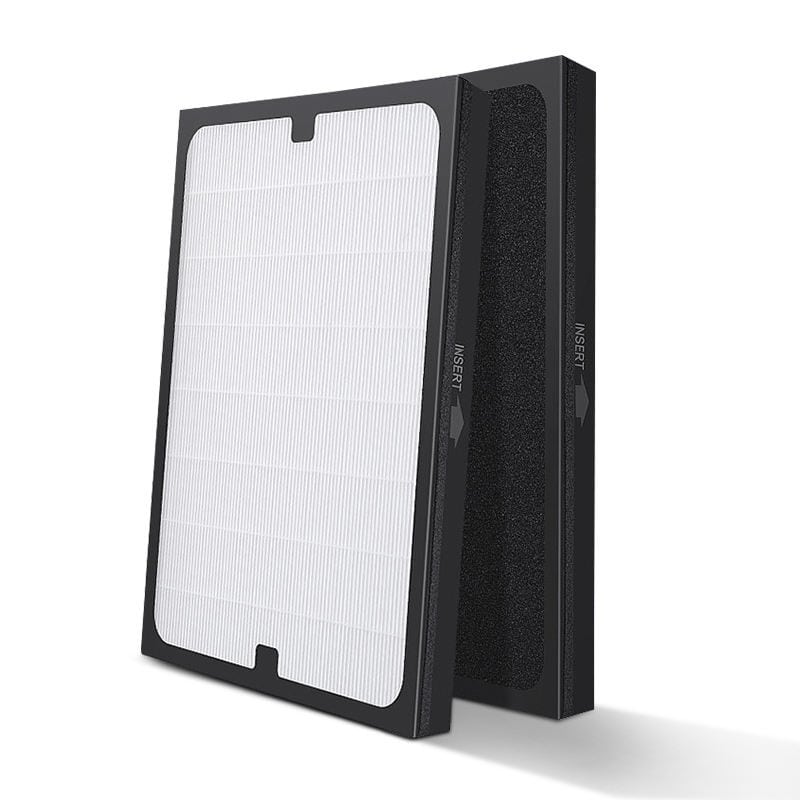
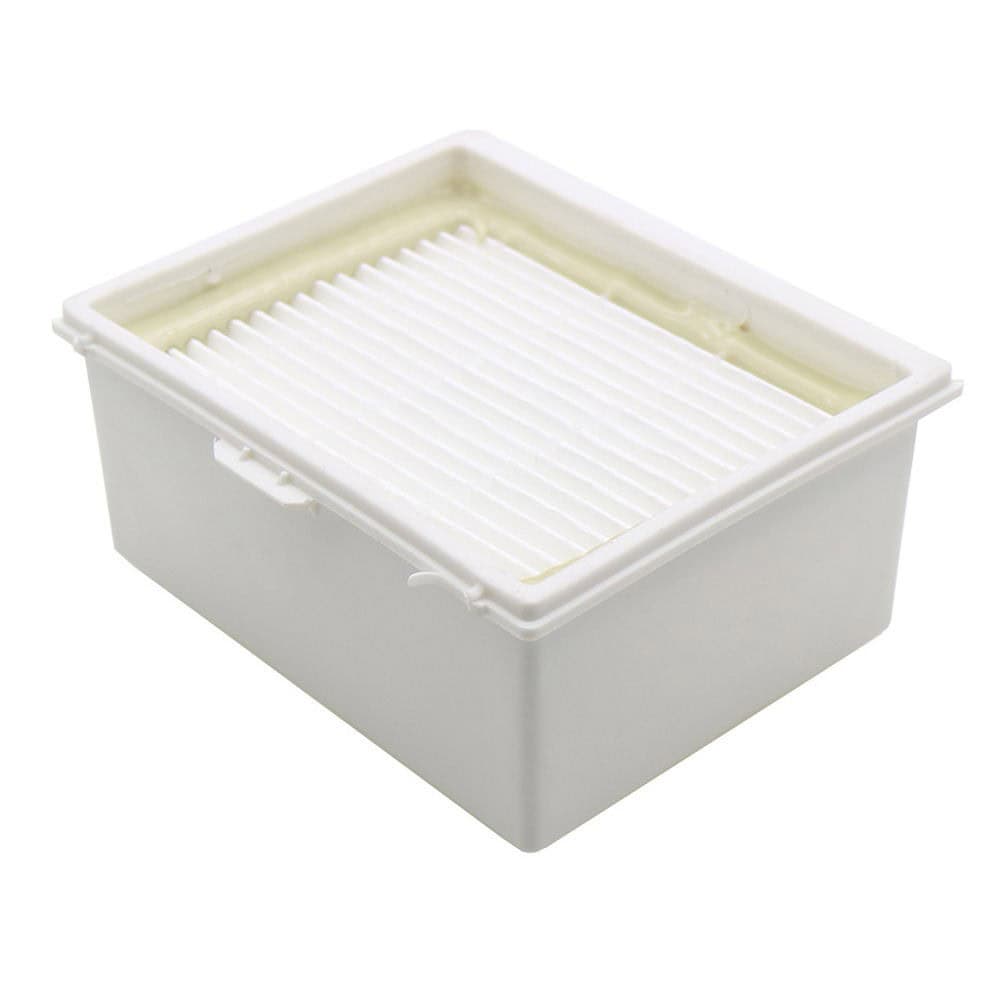
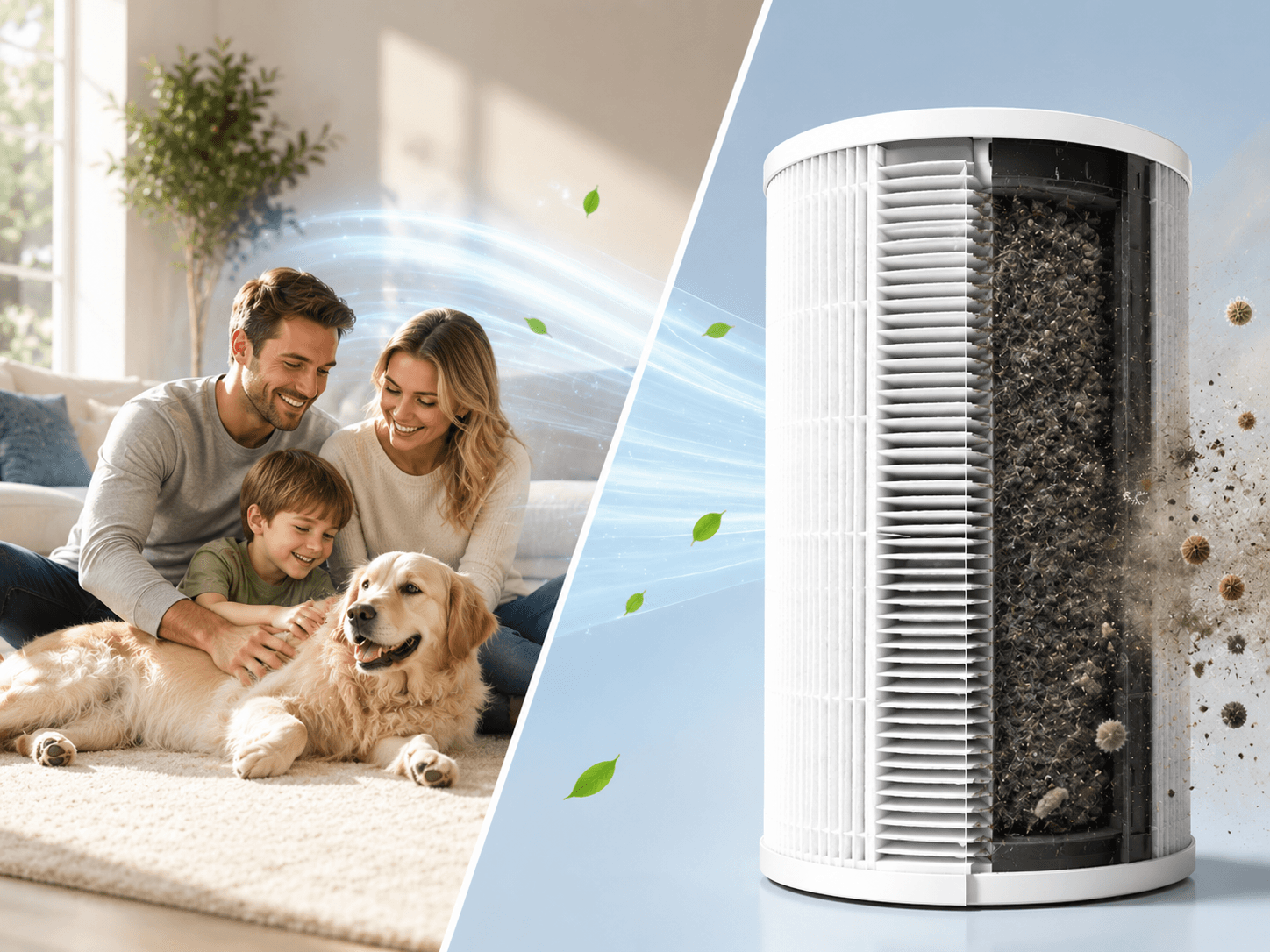
The right tool for this is a HEPA air filter cartridge rated at H13 or above. At that rating, it catches 99.97% of particles at 0.3 microns — the standard test point used to certify filters. Oil droplets in the 1–5 micron range get stopped at even higher rates. For a kitchen around 150–200 square feet, you need an air purifier with a CADR of roughly 100–150 m³/hour to turn the air over fast enough to make a difference.
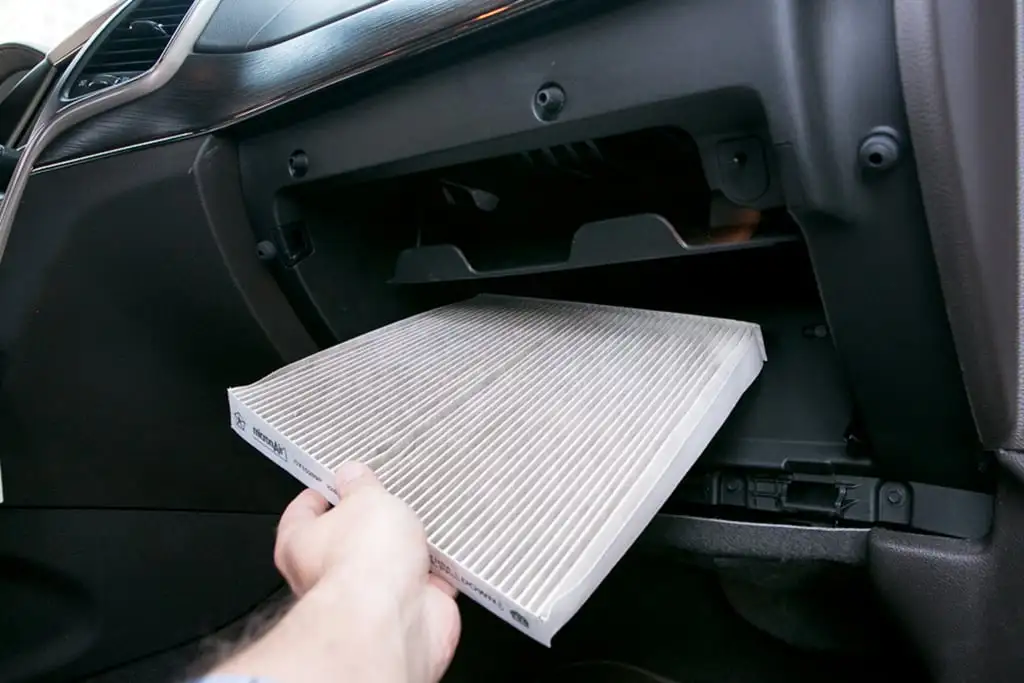
One thing manufacturers don’t make obvious: grease loads a HEPA filter cartridge much faster than regular household dust does. Cook with oil every day and your air filter cartridge will likely hit the end of its useful life well before the date on the box says it should. A worn-out cartridge doesn’t give you half protection — it gradually gives you none.
Browse HIFINE’s air purifier filters
HEPA filters are ineffective at capturing VOCs
When oil gets too hot and starts breaking down, it produces acrolein — a compound that irritates the lungs even at the low concentrations found in home kitchens. When meat or vegetables char, they release PAHs (polycyclic aromatic hydrocarbons), which the International Agency for Research on Cancer classifies as probable human carcinogens. Gas burners add formaldehyde and small amounts of benzene to that mix as direct byproducts of the flame.
The EPA puts indoor VOC levels at 2 to 5 times higher than outdoors as a normal baseline. During active cooking, that goes up considerably.
One specific point worth knowing: switching from a gas range to an induction cooker removes the combustion-related compounds — formaldehyde and benzene come from the gas flame. But acrolein and PAHs come from the heat and the oil itself, not from what’s creating the heat. They’re still present either way.
HEPA doesn’t catch VOCs — molecules are too small for the filter media to trap. This is what an activated carbon filter cartridge handles. The difference between carbon filter cartridges matters here: a thin carbon coating saturates in weeks under real cooking conditions. A dense activated carbon block filter cartridge — measured in hundreds of grams of carbon per stage — lasts significantly longer and pulls a wider range of compounds out of the air. When you’re comparing air filter cartridges for kitchen use, carbon weight per stage is the number that actually tells you something.
Which water purifier filter cartridge can solve the problem of impurities in tap water?
Water treatment plants are built to control pathogens — bacteria, viruses, the biological risks in the source water. What they’re not designed to remove is everything else. The pipes between the plant and your tap add their own problems: lead from old fittings, chlorine byproducts that form inside the distribution system, rust and debris from infrastructure that’s been in the ground for decades.
These aren’t the same kind of problem, which is why no single filter cartridge catches all of them. A PP cotton cartridge stops physical particles — rust, sand, pipe debris. An activated carbon block pulls out chlorine and the compounds that form when chlorine reacts with organic matter in the water. An RO membrane rejects lead and other dissolved heavy metals that carbon can’t catch. A UV cartridge handles bacteria and protozoa at the final stage, without adding anything to the water in return.
Each stage deals with what the one before it passed through. Not one filter trying to do everything — four filters each doing one job, in the right order.
When a Filter Cartridge Has Already Stopped Working
Most filtration problems aren’t obvious until after the fact.
Activated carbon filter cartridges have a limited capacity. When that capacity runs out, the cartridge doesn’t just stop working — under some conditions, a saturated carbon cartridge starts releasing previously captured compounds back into the water or air. The cartridge is still installed. The system is still running. Nothing tells you the protection is gone.
PP cotton cartridges fail differently. As sediment builds up, water starts to route around the filter media rather than through it — what’s called channeling. Contaminants pass freely while the cartridge still looks intact. The visible sign, a drop in flow rate, shows up later.
Manufacturer dates are based on average use. For households that cook with oil often, live somewhere with higher outdoor PM2.5, or have older building plumbing, the real lifespan of an air or water filter cartridge can be significantly shorter than what’s printed on the package.
Which Filter Cartridge for Which Pollutant
| Pollutant | Source | Filter Cartridge Type |
|---|---|---|
| Grease aerosols, cooking PM2.5 | High-heat oil cooking | HEPA filter cartridge (H13+) |
| VOCs, acrolein, PAHs | Oil breakdown, gas combustion | Activated carbon filter cartridge (dense block) |
| Chlorine, THMs | Water treatment chemistry | Activated carbon block cartridge |
| Sediment, rust, pipe debris | Aging water pipes | PP cotton filter cartridge |
| Lead, heavy metals, dissolved solids | Old plumbing, pipe leaching | RO membrane filter cartridge |
| Bacteria, Giardia, Cryptosporidium | Water supply, drain buildup | UV filter cartridge + RO membrane |
| Airborne mold spores | Moisture zones, dirty hood filters | HEPA filter cartridge (H13+) |
| Outdoor PM2.5 coming in | Windows, ventilation intake | HEPA air purifier (CADR-matched) |
Kitchen pollution is specific, measurable, and filterable — but the filter cartridge has to match the actual pollutant. A single-stage cartridge covers one category and passes everything else through. A multi-stage setup assigns the right cartridge type to each problem in the right sequence.
The most common reason filtration setups don’t perform the way they should isn’t bad product selection. It’s running filter cartridges past the point where they’re still doing anything.