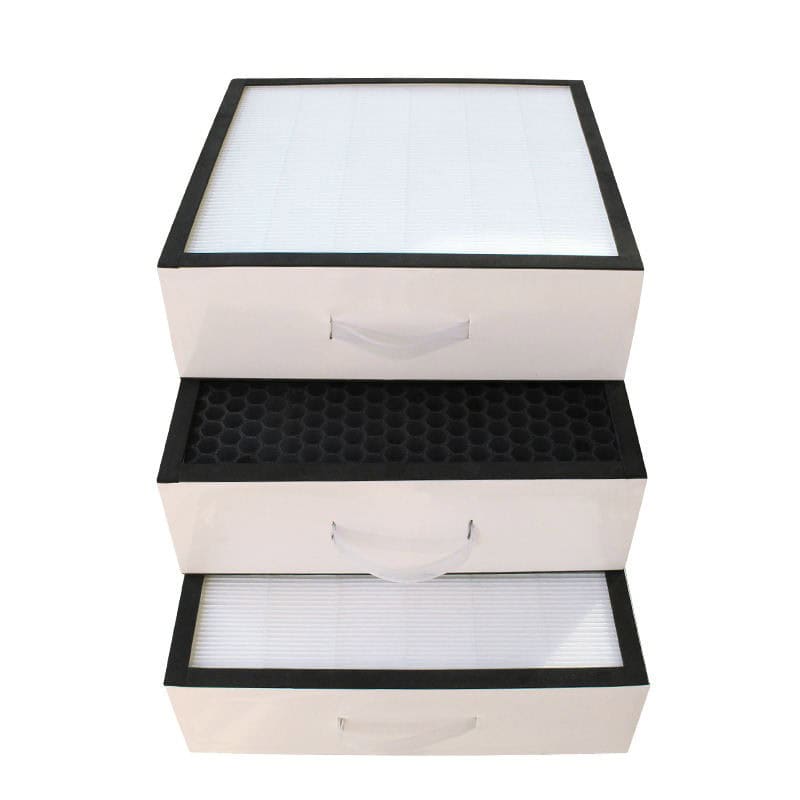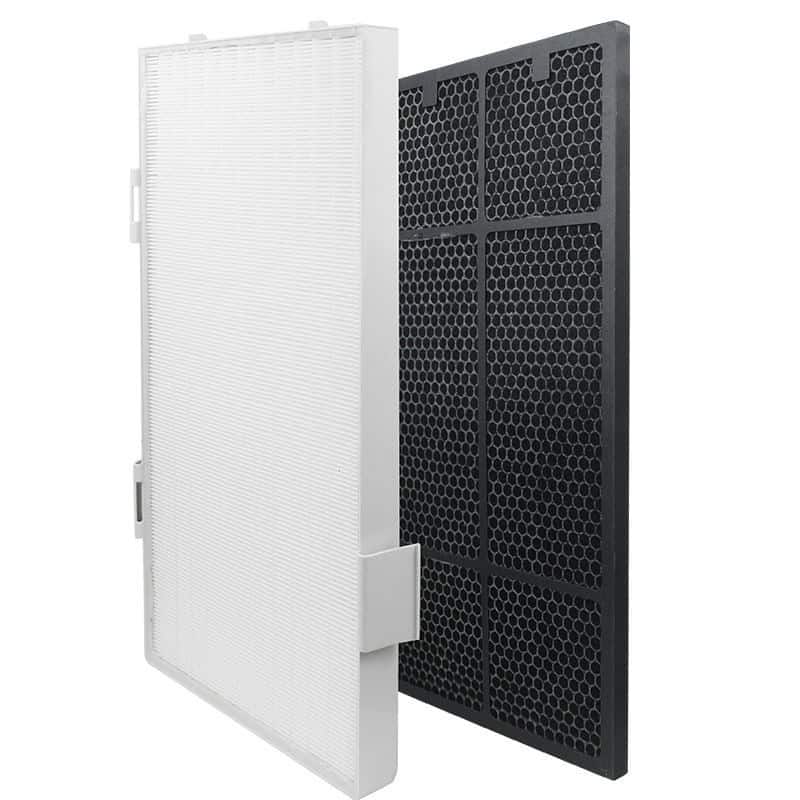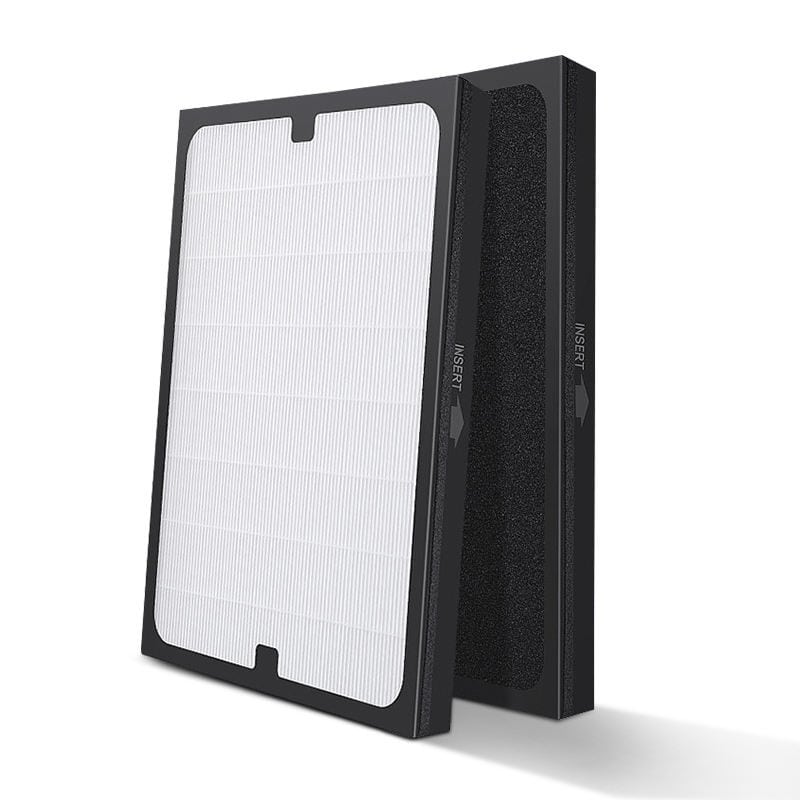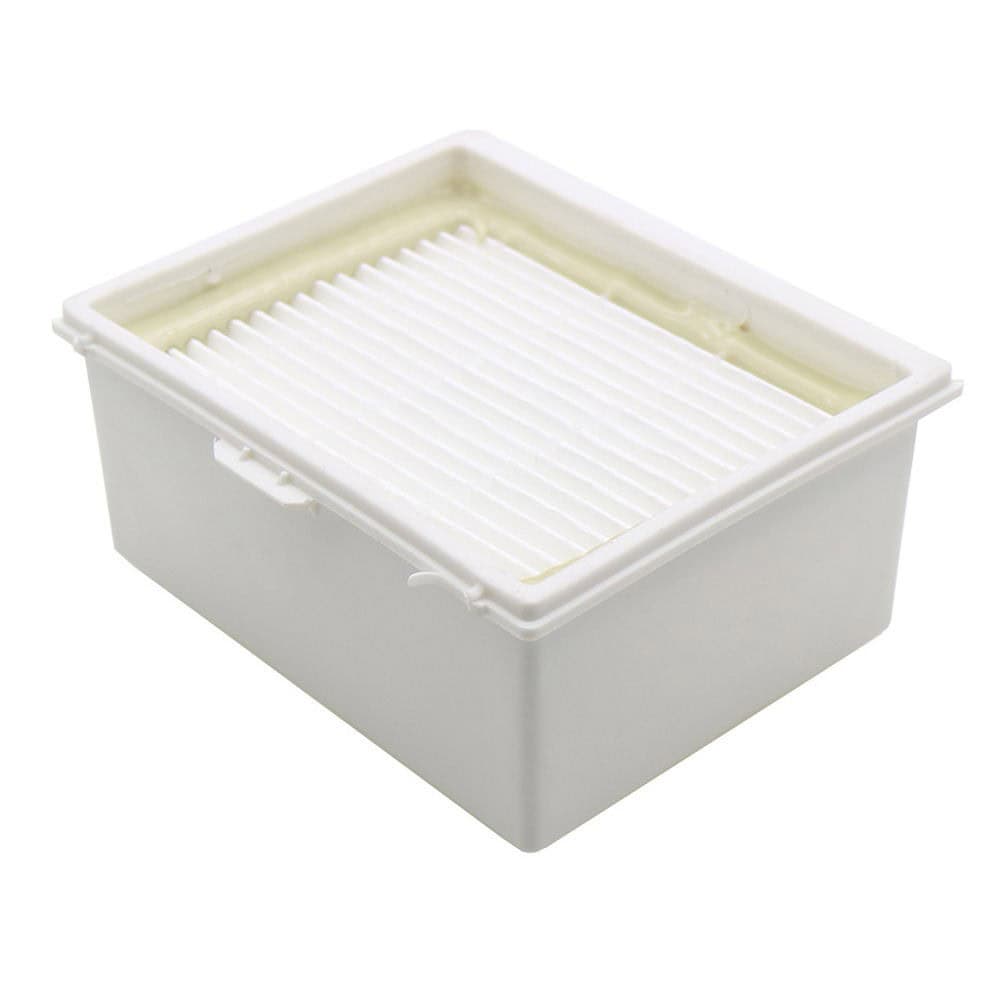
You’ll see people complaining that their air filters aren’t working, but the filters aren’t really broken. Either the installation is incorrect or the fit is not tight enough and some air is bypassing the frame instead of the filter media. Installing a HEPA filter sounds simple, it takes only two seconds: push it in, close the door, and you’re done. But critical details like orientation, seal and fit are easily missed on the first install.
This guide covers the install itself, plus the three questions people usually ask right after: which way the filter goes, whether you can retrofit one into a vacuum that didn’t come with a HEPA slot, and how to tell when it’s time to swap it out.
How to Install a HEPA Air Filter in an Air Purifier
Most purifiers follow the same basic sequence, but one step gets skipped constantly:
- Remove the plastic wrap. Filters often ship inside a thin plastic sleeve to keep them clean during shipping. If that sleeve stays on, which happens more often than you’d think, the filter can’t do anything at all, because air can’t pass through plastic.
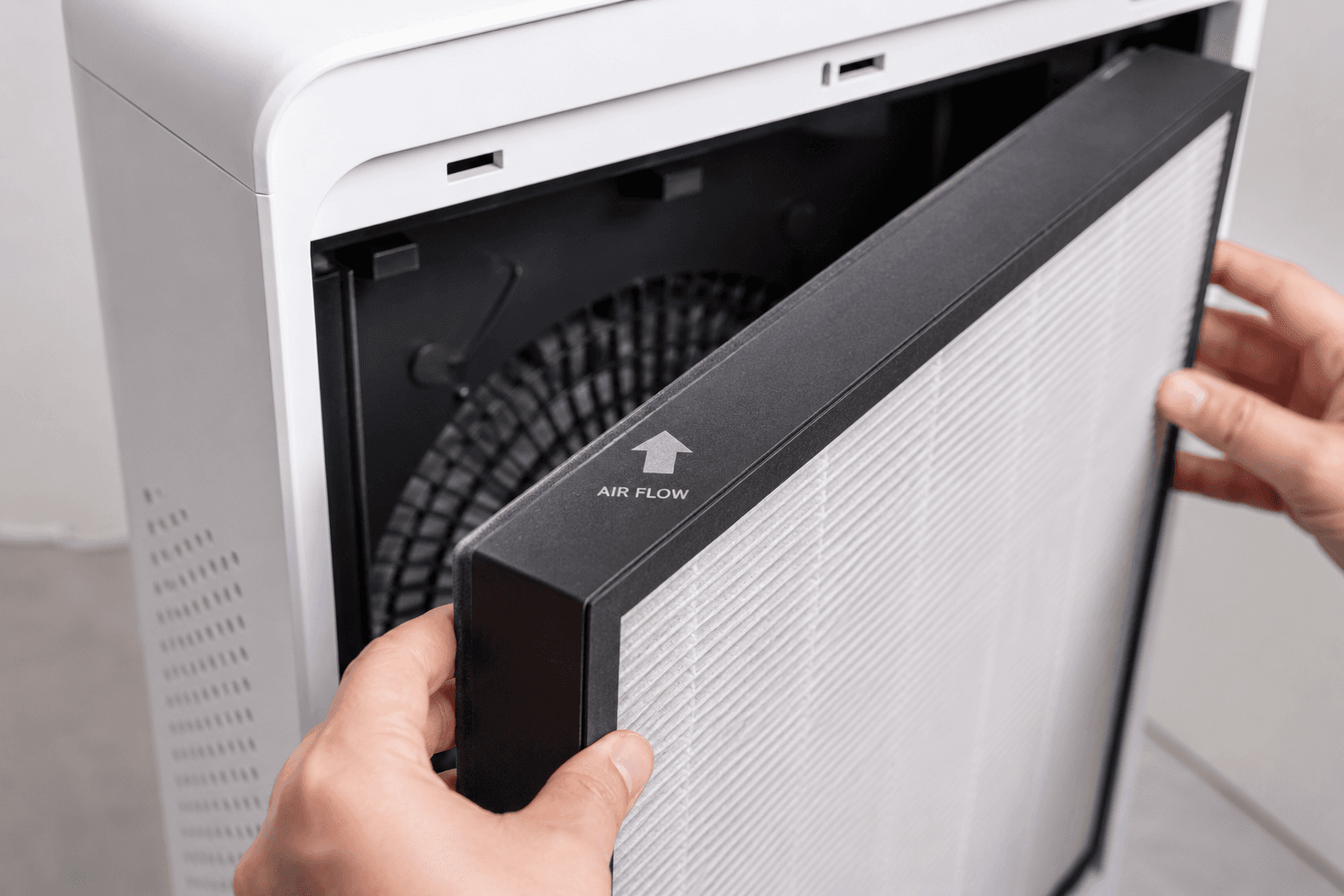
- Check the frame for an arrow. Look along the edge of the filter cassette. Most have a printed arrow or the words “AIR FLOW” stamped into the cardboard or plastic frame.
- Line the arrow up with the airflow path, usually pointing toward the fan or motor housing, not toward the room.
- Press the frame flush against the gasket on all four sides. You should feel even resistance all the way around, not a gap on one corner.
- Close the housing until it clicks or latches. A door that closes without resistance usually means the filter isn’t seated correctly.
- Run the unit for a minute and slide a finger along the seam where the filter meets the housing. Air movement at the seam means it’s not sealed.
Which Way Does a HEPA Filter Go?
This is the question that trips up more people than any other part of the process, and the arrow on the frame is the only answer worth trusting. Guides that tell you to “face the dense pleats toward the incoming air” aren’t exactly wrong, but pleat density isn’t something you can judge by eye with any confidence, and manufacturers don’t build every filter to one universal pleat pattern. The arrow is printed for a reason, so use it.
Install a filter backwards and it usually won’t break anything right away. What happens instead is quieter but still costly: the fan works harder pushing air through pleats structured for flow in the other direction, which raises noise and pressure drop while lowering the actual capture rate you’re paying for.
Signs a filter went in backwards:
- The fan runs noticeably louder than it did with the old filter
- Airflow at the outlet vents feels weaker than before the swap
- Dust builds up on the intake grille again within days, not weeks
Can You Add a HEPA Filter to a Vacuum That Didn’t Come With One?
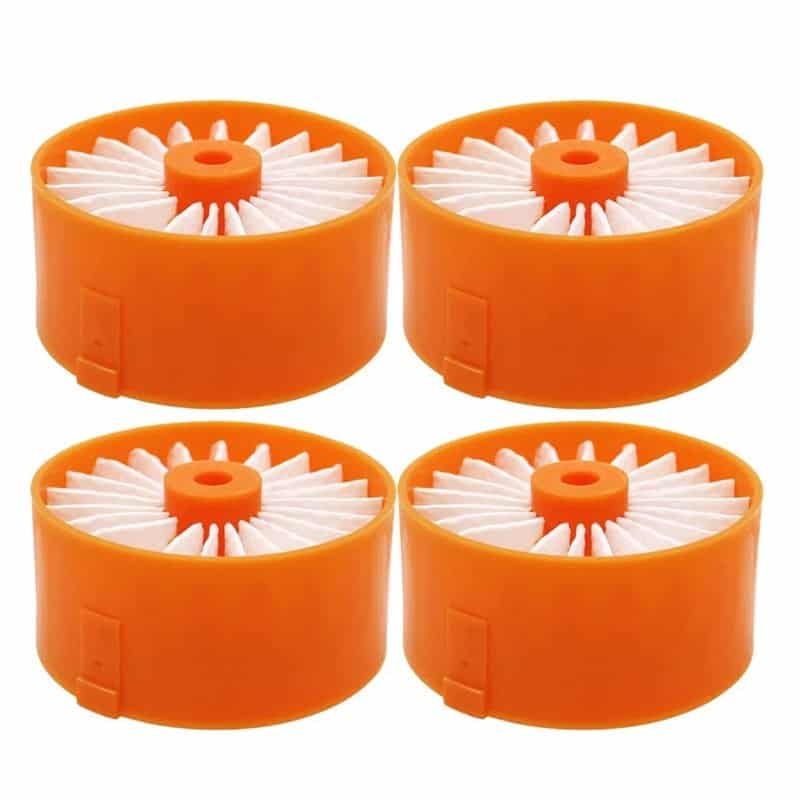
Sometimes, but only if the housing was engineered for it. Vacuum manufacturers mold the filter compartment to a specific shape and seal profile, so there’s no universal HEPA cartridge you can wedge into a machine that wasn’t designed around one. If your model has a documented HEPA-compatible slot currently holding a basic foam or sponge filter, swapping in a properly sized HEPA cartridge is usually a direct replacement. If it doesn’t, forcing a filter that’s the wrong shape into the compartment creates the same bypass problem as a loosely installed air purifier filter. Air finds the gap and skips the media entirely.
This is also why distributors and private label brands lean on manufacturers who reverse-engineer the original housing dimensions rather than selling one generic size across every model. A filter that’s a millimeter off around the frame doesn’t fail outright. It just quietly underperforms, and the complaints usually land on customer support instead of the factory floor.
How Do I Change the HEPA Filter?
Typical replacement windows:
- Air purifiers: every 6 to 12 months, depending on room size, pets, and local air quality
- Vacuum HEPA filters: every 6 to 12 months, sooner with heavy pet hair or carpet use
Signs it’s overdue, regardless of the calendar:
- The whole surface looks grey or matted, not just a thin line near the intake edge
- Airflow feels noticeably weaker even right after cleaning the pre-filter
- Allergy symptoms creep back up despite normal cleaning habits
To swap it:
- Power off and unplug the unit.
- Release the latch or tabs holding the housing shut.
- Before pulling the old filter, take a quick photo of which way it’s facing. It’s the fastest way to avoid re-installing the new one backwards.
- Insert the new filter in the same orientation and press until it seats evenly.
- Close the housing and confirm the latch clicks fully.
We have further explanation regarding the lifespan of filter cartridges.
What Happens When a HEPA Filter Isn’t Sealed Properly
Air always takes the path of least resistance. Even a narrow gap around the filter frame, sometimes less than a millimeter, lets a disproportionate share of air bypass the media completely, because pushing air through dense HEPA fiber takes far more energy than slipping through an open seam. This is exactly why certification testing under standards like EN 1822 evaluates the whole assembly, frame and seal included, not just a swatch of media in a lab rig. A filter rated to capture 99.97% of particles can perform well below that number in the real world if the seal around it is loose, and that means frame tolerance matters just as much as the media grade printed on the box.
Sourcing Filters That Fit Right the First Time
If you’re on the sourcing or distribution side of this rather than the end-user side, installation complaints are almost always a symptom of manufacturing tolerance, not customer error. A cassette that’s slightly undersized for the housing will seal inconsistently across a production batch even when every unit passes a basic visual QC check.
If your product line is dealing with recurring installation or fit complaints, it’s worth raising that with your filter supplier before the next production run. Reach out to HIFINE’s team with your housing drawing and we’ll tell you honestly whether tolerance is the issue.