When engineering a high efficiency particulate air filter vacuum, the focus naturally falls on the motor. Spec sheets highlight impressive numbers like 200 air watts or 20,000 pascals, and lab tests confirm strong initial performance. However, field data often reveals a different reality. Months after purchase, end users frequently report weak suction and poor debris pickup.
Here is what most brands and appliance procurement teams miss. The motor is rarely the problem. The filter is.
If you are sourcing vacuum cleaner filters or building a private-label appliance line, understanding how filters choke airflow is not just a technical detail. It is a return-rate issue and a brand reputation issue.
What Good Suction Power Actually Looks Like
Before your engineering team specs a motor, you need to know what the numbers mean for the end user in real-world conditions.
- Pascals measure static pressure at the intake.
- Air Watts measure the usable cleaning force at the nozzle, combining suction and airflow.
For upright and canister units, 180 to 200 AW is the industry benchmark for deep carpet cleaning. Cordless stick vacuums perform well between 100 and 150 AW. Robot vacuums operate on a different scale entirely, with daily-clean models running 2,500 to 6,000 Pa and premium carpet-boost modes pushing past 20,000 Pa.
The critical point for product developers is this: These numbers are measured in a lab with a clean machine. They do not account for filter loading after three months of real-world use. A motor rated at 200 AW can deliver less than half of that effective suction if the post-motor HEPA filter is clogged. Your customer does not know this. They just know their high efficiency particulate air filter vacuum stopped working.
Why the HEPA Filter Becomes the Airflow Bottleneck
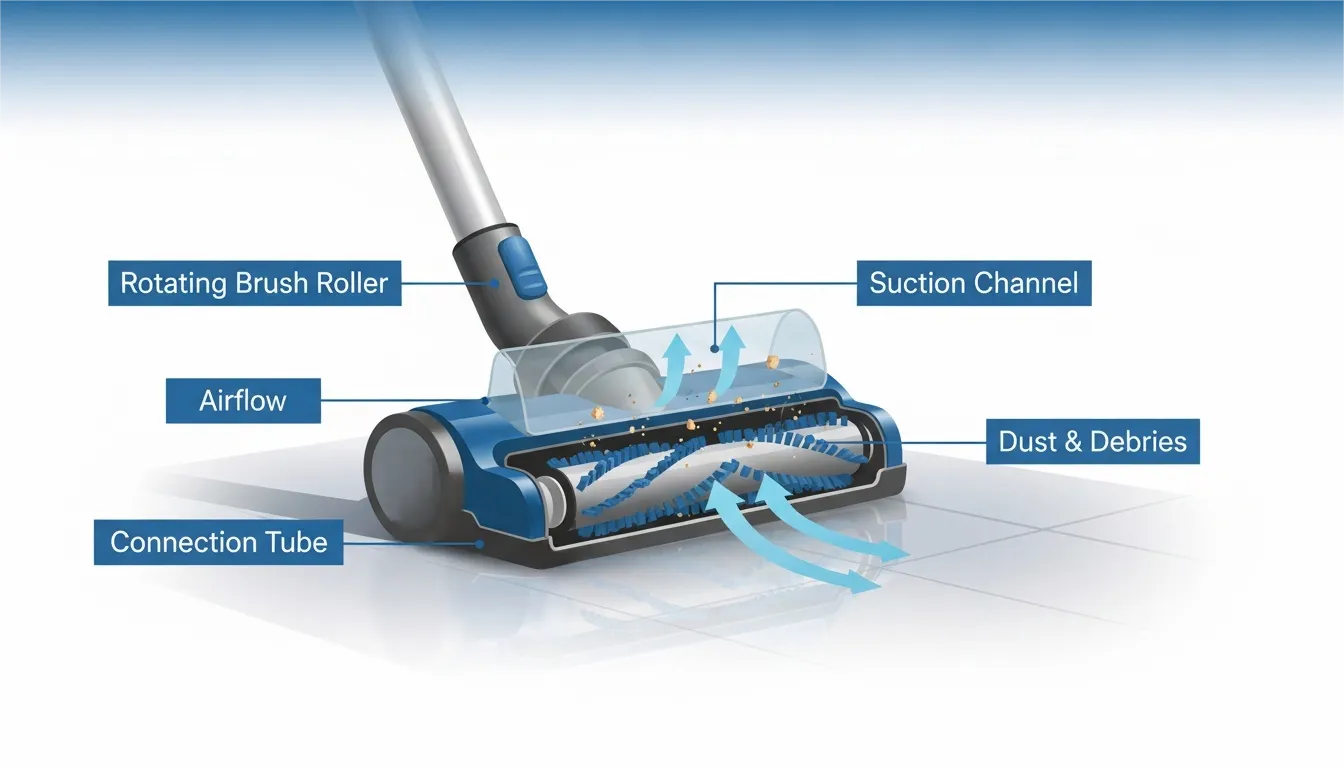
A vacuum is an air pump. The motor pulls air through the intake and pushes it out through the exhaust. Every cubic foot that enters must exit. Anything that restricts that path—whether a full dustbin, a kinked hose, or a clogged filter—collapses the pressure differential. That differential is the actual force that lifts dirt.
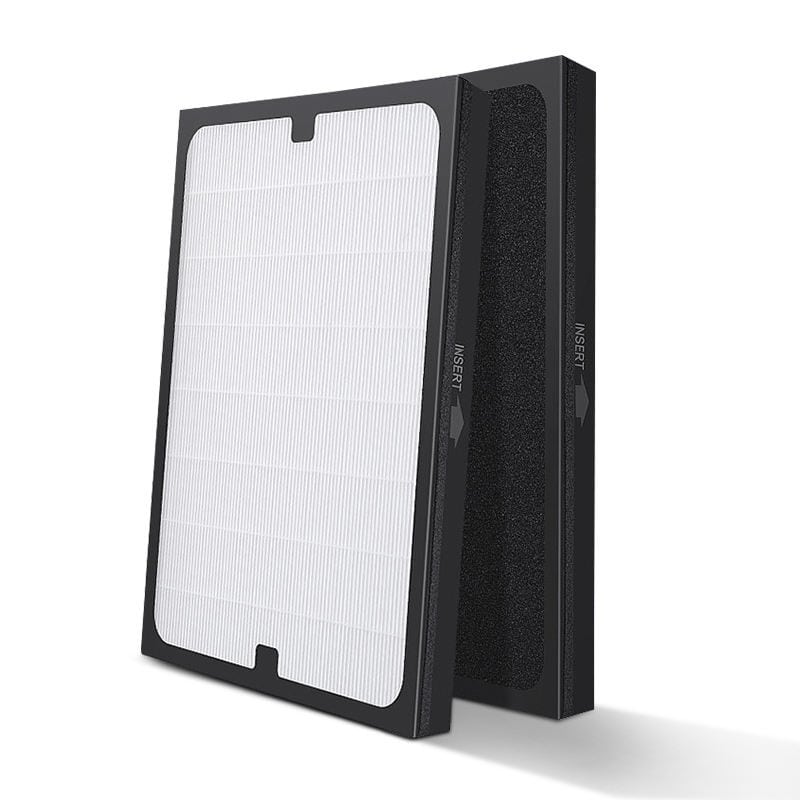
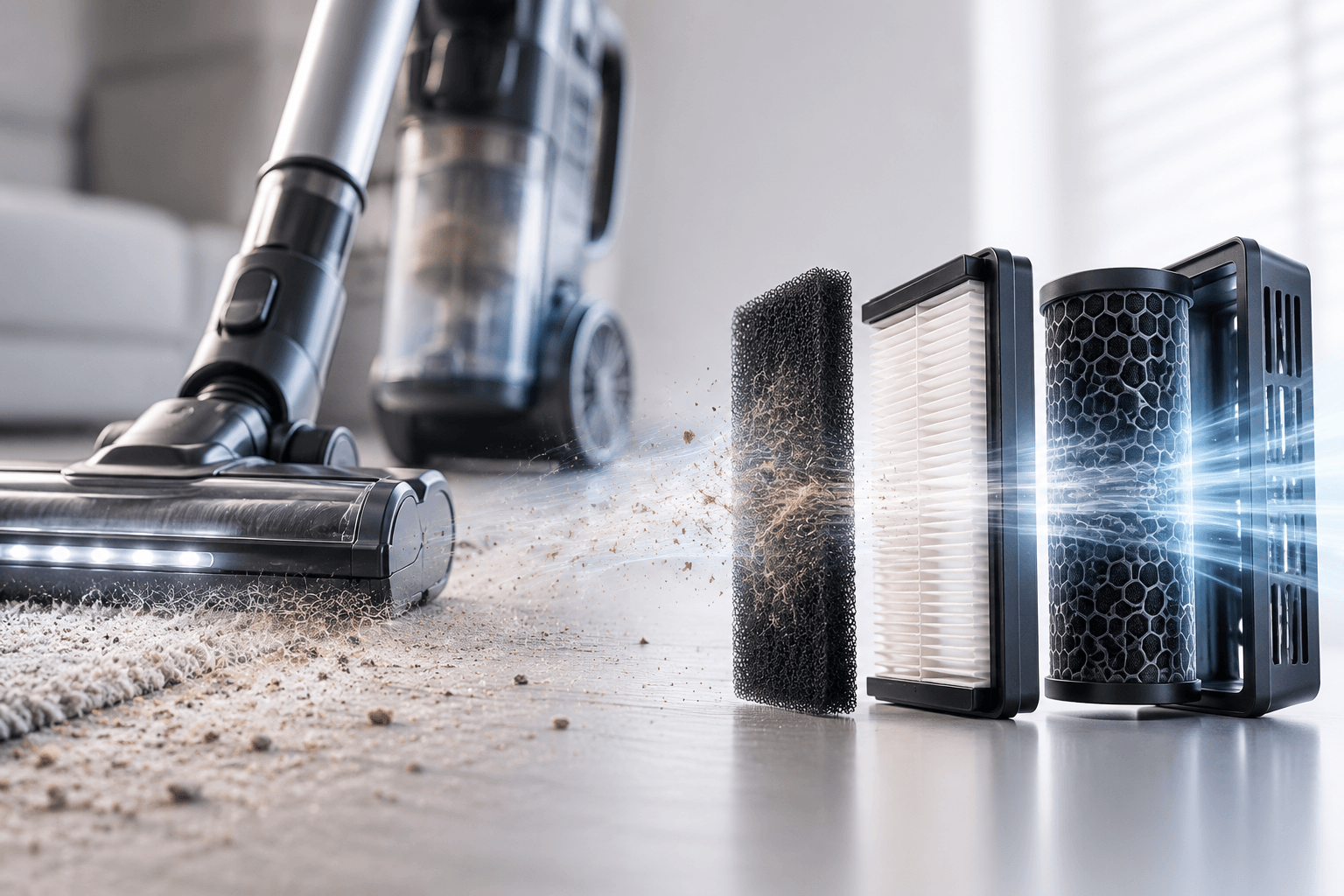
Most modern machines use a two-stage filtration system:
- A pre-motor foam or fabric filter protects the motor from large debris.
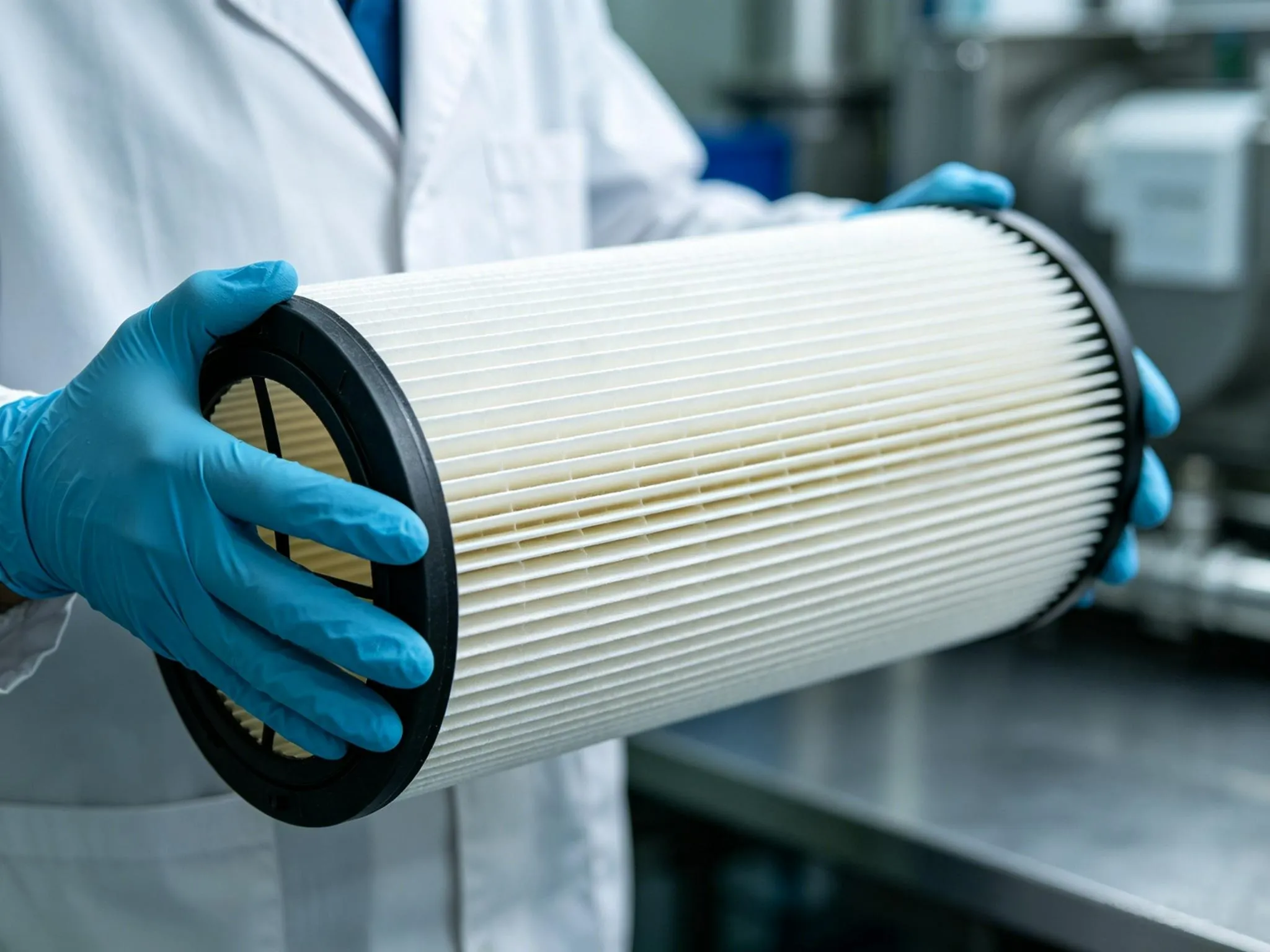
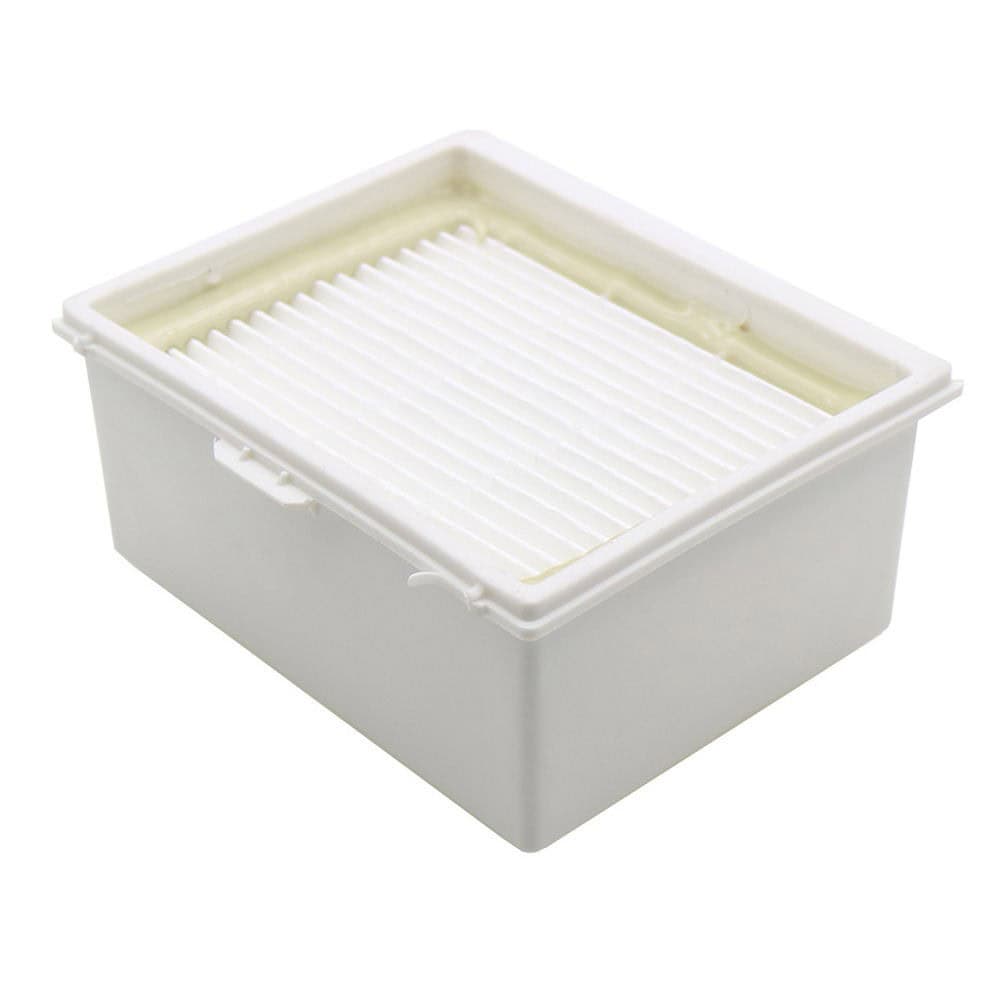
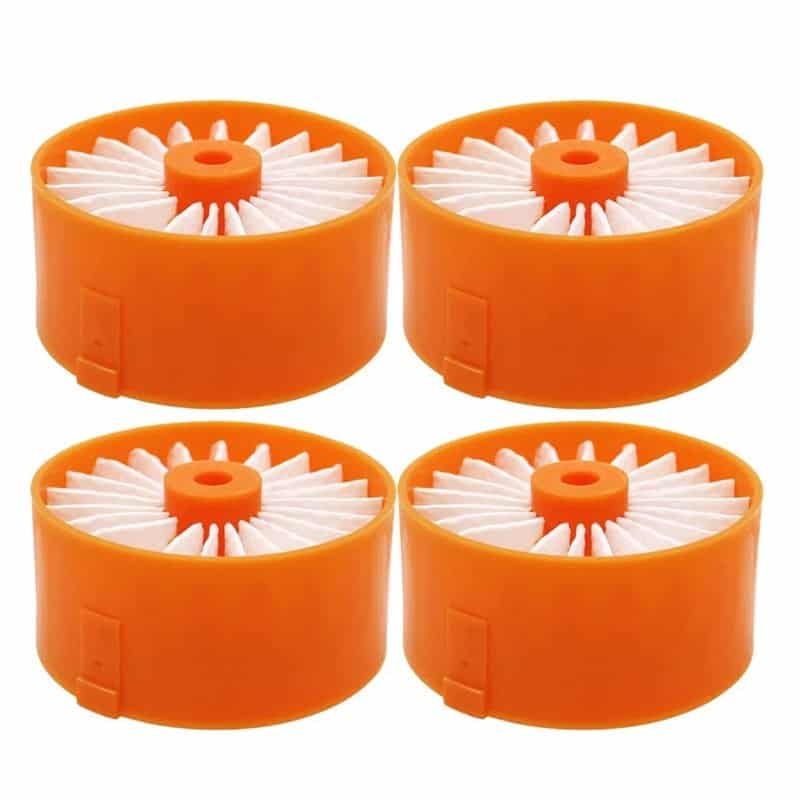
- A post-motor HEPA filter captures particles down to 0.3 microns before the exhaust air re-enters the room.
Both filters load over time. The pre-motor filter chokes intake pressure. The post-motor filter restricts exhaust flow and causes the motor to overheat because the cooling airflow is reduced.
HEPA media is especially prone to this. The same fine fiber structure that makes it effective at particle capture also makes it mat together faster than coarser foam. In homes with pets, a HEPA filter can reach critical loading in three to four weeks of normal use.
This is where product design and vacuum filter sourcing intersect. If your vacuum ships with a non-washable HEPA filter and no clear replacement schedule, your end user will run the machine until suction disappears, blame the motor, and return the product.
The Suction Audit
We developed this three-step audit after reviewing return data from over 200 OEM vacuum models. Your customer support team can walk a frustrated buyer through it before authorizing a hardware return.
- The Paper Towel Test: With the vacuum on standard power, hold a single sheet of paper towel against the hose. A unit with good suction should grab and hold it firmly. If the sheet flutters, airflow is restricted downstream. The motor is fine. The air path is not.
- The Carpet Pass Count: Sprinkle one tablespoon of fine baking soda on low-pile carpet. A unit operating properly should remove roughly 90% in two slow passes.
- The Exhaust Smell Check: Run the vacuum for thirty seconds. A musty or dusty odor indicates filter saturation or bypass. Clean exhaust means the filtration system is intact.
In our experience as a vacuum cleaner filter manufacturer, roughly eight out of ten suction complaints trace back to filter loading. A consumable part that reached the end of its service life, not a motor defect.
OEM Filter Strategy for Brand Managers
If you are developing a new vacuum line, filter strategy should be part of your launch spec, not an afterthought.
- Washable vs. Disposable: Washable foam filters extend user convenience but degrade over time. We recommend designing for a 12-month replacement cycle on washable filters and a 6-month cycle on non-washable HEPA media.
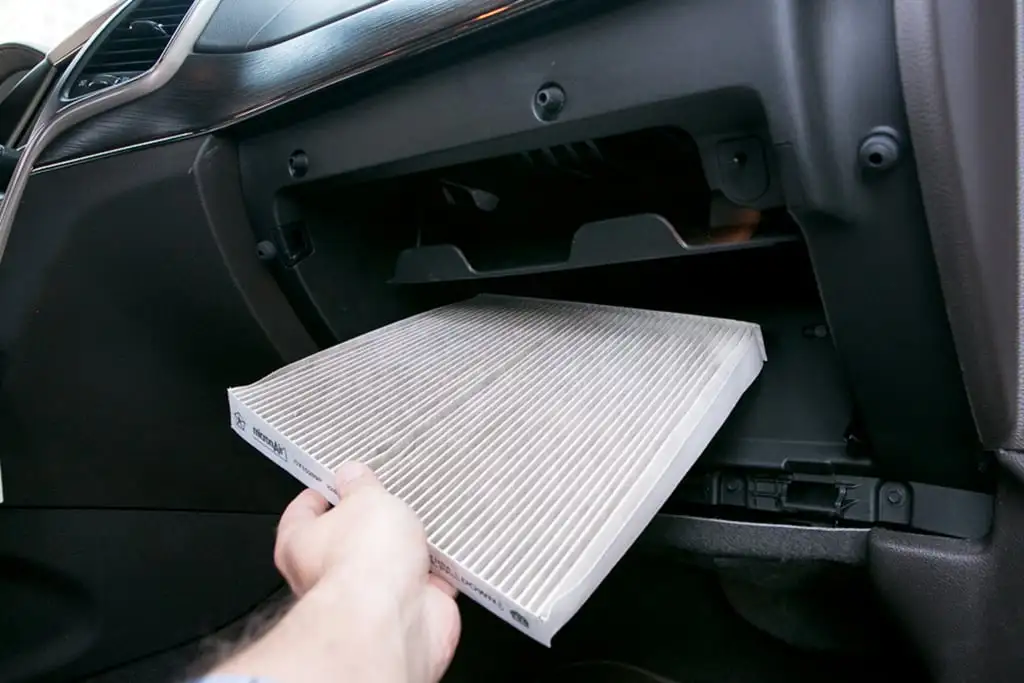
- Filter Accessibility: If the filter is buried behind three screws and a plastic latch, users will not replace it. Tool-free access reduces warranty claims.
- Material Specification: Not all HEPA media is the same. Glass fiber HEPA offers the highest efficiency but is sensitive to moisture. Synthetic melt-blown polypropylene is more durable and washable but trades off some fine-particle capture.
| Vacuum Type | Good Suction Power Range | Filter Design Considerations |
|---|---|---|
| Upright / Canister | 180 to 200 AW | Large surface area HEPA, high dust-holding capacity, long service intervals |
| Cordless Stick | 100 to 150 AW | Compact pleat design, low airflow resistance, lightweight housing |
| Robot | 2,500 to 6,000 Pa ; 8,000+ Pa | Ultra-compact format, minimal pressure drop, automated debris handling compatibility |
| Handheld / Car | 20 to 50 AW | Small diameter, foam or hybrid media, cost-optimized for disposable cycles |
How HIFINE Supports OEM and Private Label Partners
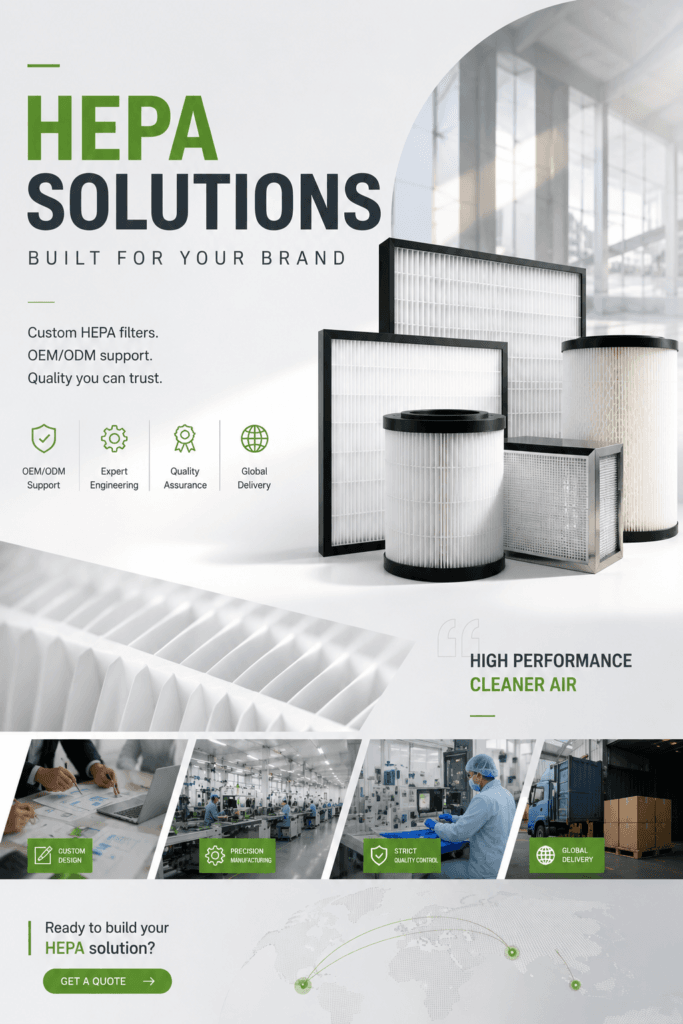
We are not a retail brand. We are a dedicated filtration manufacturer. Our core business is OEM vacuum filters, custom HEPA filters, and air purification cartridges produced at scale for overseas brand owners, wholesalers, and private-label clients.
What that means in practice:
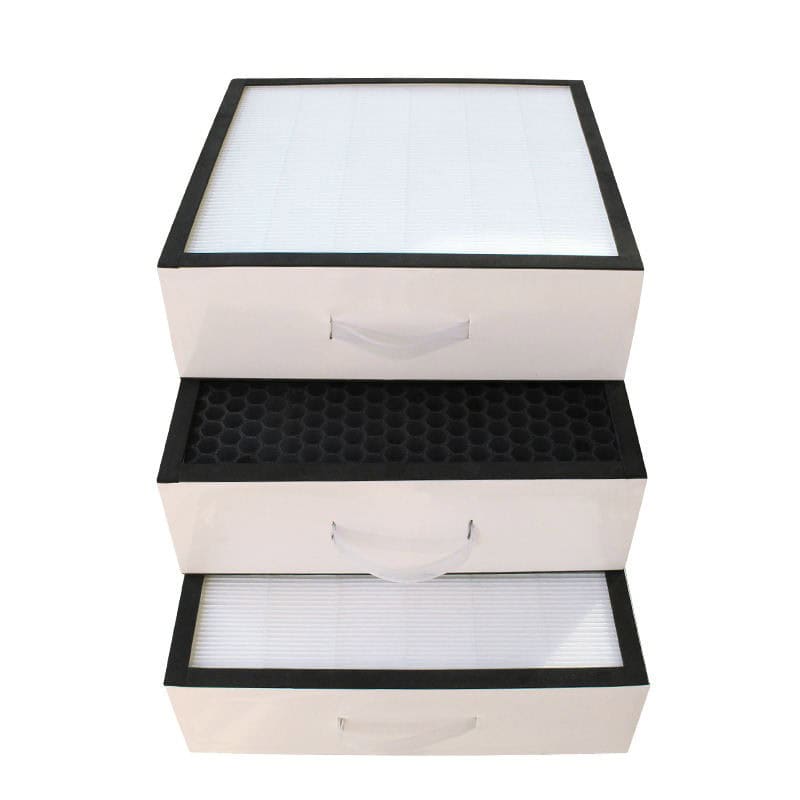
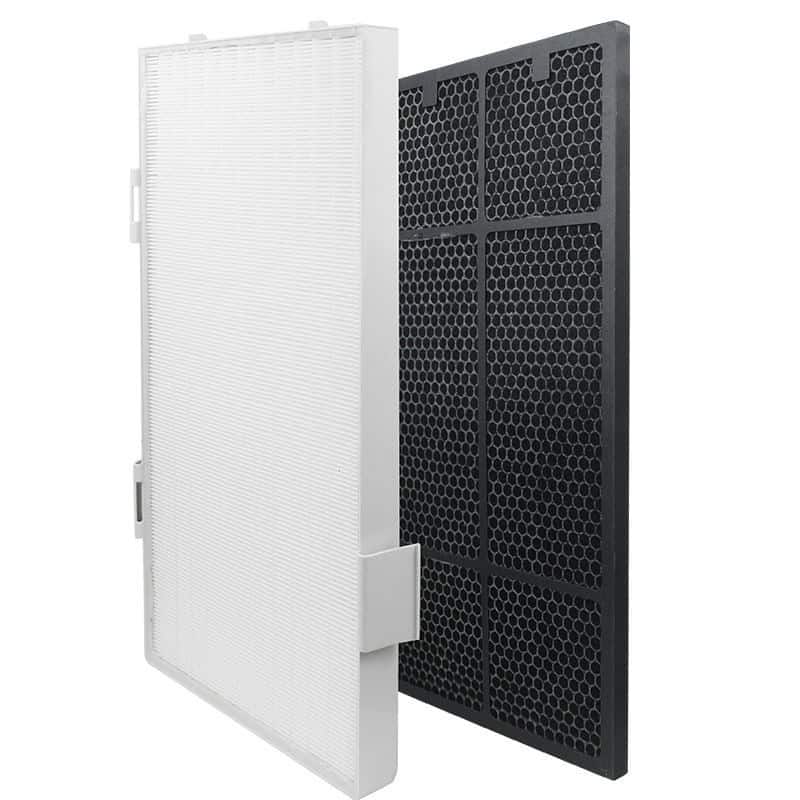
- Material flexibility: Glass fiber, synthetic melt-blown, activated carbon composites, or hybrid media.
- Precision fit engineering: We design and cut filters to your exact housing dimensions, preventing air leaks that void efficiency claims.
- Scalable production: Whether you need ten thousand units or a million-unit contract, our tooling scales with your growth.
Before your engineering team redesigns the motor housing, run the filter math. A replacement filter costs a fraction of a motor swap. View our filter product map or contact our engineering team for specifications review.